

• Global Vitiligo Treatment Market Forecast: Revenue to Reach USD 2.97 Billion by 2034
    Market Overview: Advancing Dermatology Treatments and Patient-Centered Skin Care
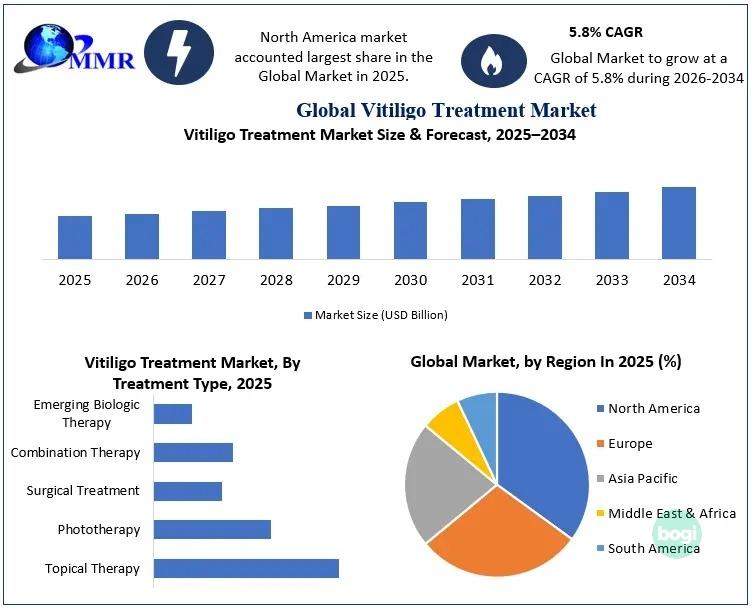
    The Vitiligo Treatment Market was valued at USD 1.79 Billion in 2025 and is projected to reach USD 2.97 Billion by 2034, expanding at a CAGR of 5.8% from 2026 to 2034. Vitiligo is a chronic autoimmune skin condition characterized by the loss of pigmentation, resulting in white patches across different body areas. Increasing awareness, improved dermatological diagnosis and growing demand for effective repigmentation therapies are supporting industry expansion. The Vitiligo Treatment Market benefits from advancements in topical medications, targeted immunomodulatory therapies and phototherapy technologies. Greater attention to psychological well-being, treatment accessibility and long-term disease management is strengthening demand for specialized dermatology services worldwide.
    Global Vitiligo Treatment Market Forecast: Revenue to Reach USD 2.97 Billion by 2034 Market Overview: Advancing Dermatology Treatments and Patient-Centered Skin Care The Vitiligo Treatment Market was valued at USD 1.79 Billion in 2025 and is projected to reach USD 2.97 Billion by 2034, expanding at a CAGR of 5.8% from 2026 to 2034. Vitiligo is a chronic autoimmune skin condition characterized by the loss of pigmentation, resulting in white patches across different body areas. Increasing awareness, improved dermatological diagnosis and growing demand for effective repigmentation therapies are supporting industry expansion. The Vitiligo Treatment Market benefits from advancements in topical medications, targeted immunomodulatory therapies and phototherapy technologies. Greater attention to psychological well-being, treatment accessibility and long-term disease management is strengthening demand for specialized dermatology services worldwide.
    0 Comentários 0 Compartilhamentos 676 Visualizações
  • Syngas Market Size and Share Analysis with Emerging Growth Opportunities

    Global Syngas Market to Reach USD 157.1 Billion by 2032, Driven by Growing Demand for Clean Energy and Industrial Chemicals

    Market Size, Growth, Trends, Opportunities, Competitive Landscape, and Forecast (2026–2032)

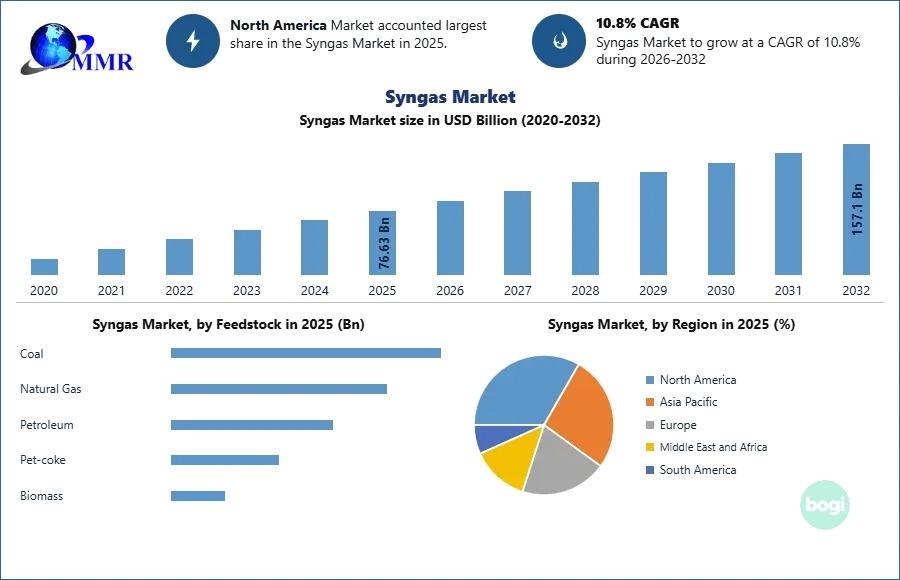
    The Syngas Market was valued at USD 76.63 billion in 2025 and is projected to reach approximately USD 157.1 billion by 2032, expanding at a compound annual growth rate (CAGR) of 10.8% during the forecast period from 2026 to 2032. Increasing demand for synthetic fuels, industrial chemicals, hydrogen production, and alternative energy sources is supporting market expansion. Growing investments in gasification technologies, sustainable fuel manufacturing, and industrial decarbonization are further creating significant opportunities for manufacturers and technology providers worldwide.

    Syngas Market Estimation, Growth Drivers, and Opportunities

    Synthesis gas, commonly known as syngas, is primarily composed of hydrogen and carbon monoxide. It is produced through processes such as coal gasification, natural gas reforming, and biomass gasification. Syngas serves as an important intermediate for manufacturing methanol, ammonia, synthetic natural gas, liquid fuels, and various industrial chemicals.

    The increasing requirement for reliable industrial feedstocks is a major market growth driver. Chemical manufacturers are adopting syngas-based processes to improve production flexibility and strengthen raw material availability. Additionally, growing hydrogen demand, investments in gas-to-liquid technologies, and the expansion of petrochemical manufacturing are accelerating market development.

    Emerging opportunities include biomass-based syngas production, waste-to-energy applications, carbon capture integration, and advanced gasification systems. Technological improvements in membrane separation, oxygen production, and catalytic conversion are also expected to reduce operating expenses and improve production efficiency. However, high initial investment requirements and complex infrastructure development remain important challenges.

    Get Your Free Sample Report Link : https://www.maximizemarketresearch.com/request-sample/68868/

    Syngas Market Size and Share Analysis with Emerging Growth Opportunities Global Syngas Market to Reach USD 157.1 Billion by 2032, Driven by Growing Demand for Clean Energy and Industrial Chemicals Market Size, Growth, Trends, Opportunities, Competitive Landscape, and Forecast (2026–2032) The Syngas Market was valued at USD 76.63 billion in 2025 and is projected to reach approximately USD 157.1 billion by 2032, expanding at a compound annual growth rate (CAGR) of 10.8% during the forecast period from 2026 to 2032. Increasing demand for synthetic fuels, industrial chemicals, hydrogen production, and alternative energy sources is supporting market expansion. Growing investments in gasification technologies, sustainable fuel manufacturing, and industrial decarbonization are further creating significant opportunities for manufacturers and technology providers worldwide. Syngas Market Estimation, Growth Drivers, and Opportunities Synthesis gas, commonly known as syngas, is primarily composed of hydrogen and carbon monoxide. It is produced through processes such as coal gasification, natural gas reforming, and biomass gasification. Syngas serves as an important intermediate for manufacturing methanol, ammonia, synthetic natural gas, liquid fuels, and various industrial chemicals. The increasing requirement for reliable industrial feedstocks is a major market growth driver. Chemical manufacturers are adopting syngas-based processes to improve production flexibility and strengthen raw material availability. Additionally, growing hydrogen demand, investments in gas-to-liquid technologies, and the expansion of petrochemical manufacturing are accelerating market development. Emerging opportunities include biomass-based syngas production, waste-to-energy applications, carbon capture integration, and advanced gasification systems. Technological improvements in membrane separation, oxygen production, and catalytic conversion are also expected to reduce operating expenses and improve production efficiency. However, high initial investment requirements and complex infrastructure development remain important challenges. Get Your Free Sample Report Link : https://www.maximizemarketresearch.com/request-sample/68868/
    0 Comentários 0 Compartilhamentos 642 Visualizações
  • Electroplating Market Demand Analysis and Future Industry Growth Prospects

    Electroplating Market to Reach USD 21.26 Billion by 2034, Driven by Rising Demand for Advanced Surface Finishing Technologies

    Market Overview

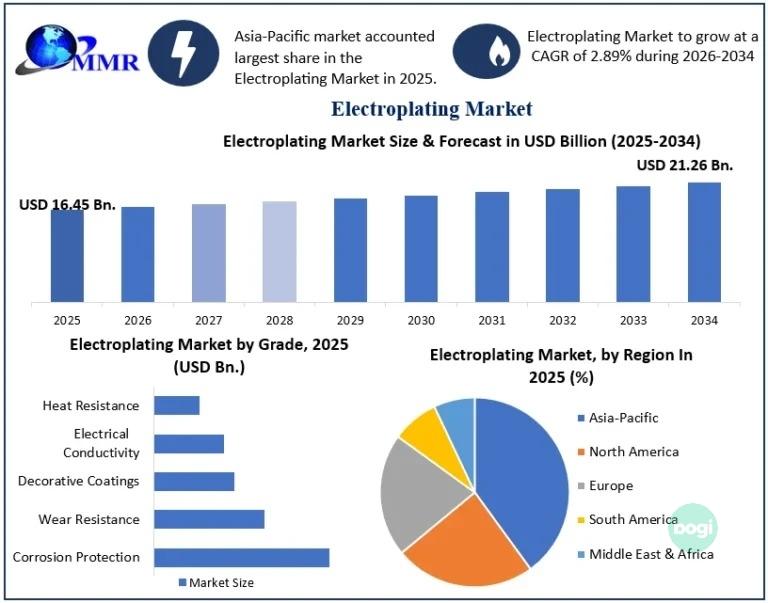
    The Electroplating Market is witnessing steady growth, supported by increasing demand for corrosion-resistant, durable, and high-performance metal components across automotive, electronics, aerospace, defense, and industrial manufacturing sectors. The market was valued at USD 16.45 billion in 2025 and is projected to reach USD 21.26 billion by 2034, registering a CAGR of 2.89% during the forecast period from 2026 to 2034.

    Electroplating is an essential surface-finishing technology that involves depositing a thin layer of metal onto another material through an electrochemical process. The technology improves corrosion resistance, electrical conductivity, surface hardness, durability, wear resistance, and aesthetic appearance. Increasing industrialization, expanding automotive production, growing electric vehicle adoption, and rising electronics manufacturing are strengthening the demand for electroplating solutions worldwide.

    Market Estimation, Growth Drivers, and Opportunities

    The expansion of the global Electroplating Market is primarily driven by the increasing requirement for high-quality metal components across manufacturing industries. Automotive manufacturers increasingly utilize electroplated components in fasteners, connectors, decorative parts, braking systems, and electrical assemblies to improve product lifespan and performance.

    The growing electric vehicle industry is creating additional opportunities for electroplating manufacturers. EV batteries, electrical connectors, charging infrastructure, and electronic components require specialized metallic coatings to ensure conductivity, reliability, and corrosion protection.

    Furthermore, increasing semiconductor manufacturing, consumer electronics production, and aerospace investments are generating demand for precision electroplating technologies. Manufacturers are also adopting automated plating equipment, advanced chemical formulations, and environmentally responsible processes to improve production efficiency.

    Opportunities are emerging through chromium-free coatings, zinc-nickel plating, cyanide-free processes, closed-loop wastewater treatment, and precious-metal recovery technologies. However, high chemical costs, energy consumption, wastewater treatment requirements, and environmental compliance remain important challenges.

    Request a Sample of the Full Market Report : https://www.maximizemarketresearch.com/request-sample/70625/

    Electroplating Market Demand Analysis and Future Industry Growth Prospects Electroplating Market to Reach USD 21.26 Billion by 2034, Driven by Rising Demand for Advanced Surface Finishing Technologies Market Overview The Electroplating Market is witnessing steady growth, supported by increasing demand for corrosion-resistant, durable, and high-performance metal components across automotive, electronics, aerospace, defense, and industrial manufacturing sectors. The market was valued at USD 16.45 billion in 2025 and is projected to reach USD 21.26 billion by 2034, registering a CAGR of 2.89% during the forecast period from 2026 to 2034. Electroplating is an essential surface-finishing technology that involves depositing a thin layer of metal onto another material through an electrochemical process. The technology improves corrosion resistance, electrical conductivity, surface hardness, durability, wear resistance, and aesthetic appearance. Increasing industrialization, expanding automotive production, growing electric vehicle adoption, and rising electronics manufacturing are strengthening the demand for electroplating solutions worldwide. Market Estimation, Growth Drivers, and Opportunities The expansion of the global Electroplating Market is primarily driven by the increasing requirement for high-quality metal components across manufacturing industries. Automotive manufacturers increasingly utilize electroplated components in fasteners, connectors, decorative parts, braking systems, and electrical assemblies to improve product lifespan and performance. The growing electric vehicle industry is creating additional opportunities for electroplating manufacturers. EV batteries, electrical connectors, charging infrastructure, and electronic components require specialized metallic coatings to ensure conductivity, reliability, and corrosion protection. Furthermore, increasing semiconductor manufacturing, consumer electronics production, and aerospace investments are generating demand for precision electroplating technologies. Manufacturers are also adopting automated plating equipment, advanced chemical formulations, and environmentally responsible processes to improve production efficiency. Opportunities are emerging through chromium-free coatings, zinc-nickel plating, cyanide-free processes, closed-loop wastewater treatment, and precious-metal recovery technologies. However, high chemical costs, energy consumption, wastewater treatment requirements, and environmental compliance remain important challenges. Request a Sample of the Full Market Report : https://www.maximizemarketresearch.com/request-sample/70625/
    0 Comentários 0 Compartilhamentos 757 Visualizações
  • Tension Control Market Outlook 2026–2034: Revenue Growth at 5.37% CAGR
    Market Overview: Precision Web Handling Technologies Transforming Industrial Production
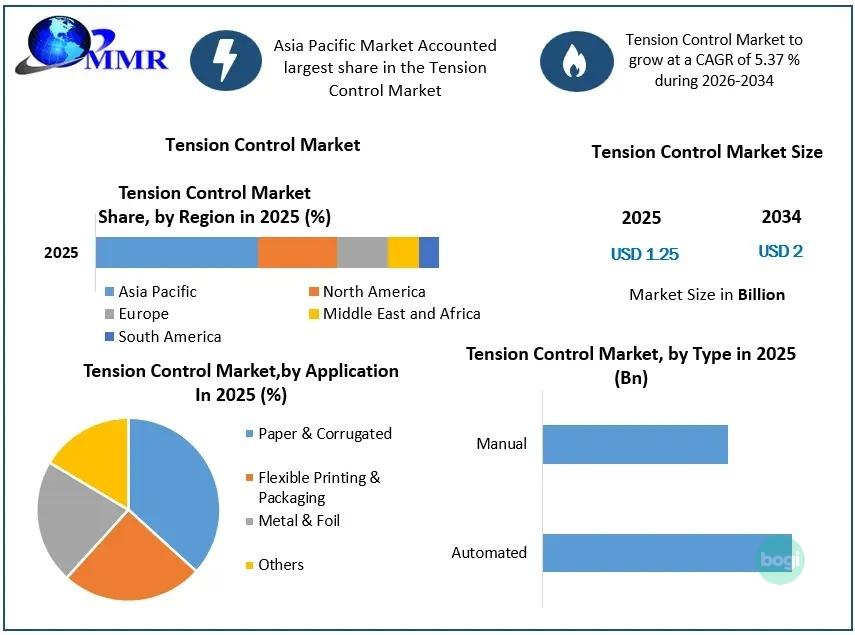
    The Tension Control Market was valued at USD 1.25 Billion in 2025 and is projected to reach nearly USD 2 Billion by 2034, expanding at a CAGR of 5.37% from 2026 to 2034. Tension control systems regulate the force applied to continuous materials during unwinding, processing and rewinding operations. They are essential for maintaining consistent material movement across printing, packaging, paper, metal processing and converting industries. The Tension Control Market benefits from increasing industrial automation, demand for high-quality finished products and modernization of manufacturing equipment. Manufacturers are investing in accurate tension regulation to minimize material defects, reduce production waste and maintain stable operations at higher processing speeds.
    Tension Control Market Outlook 2026–2034: Revenue Growth at 5.37% CAGR Market Overview: Precision Web Handling Technologies Transforming Industrial Production The Tension Control Market was valued at USD 1.25 Billion in 2025 and is projected to reach nearly USD 2 Billion by 2034, expanding at a CAGR of 5.37% from 2026 to 2034. Tension control systems regulate the force applied to continuous materials during unwinding, processing and rewinding operations. They are essential for maintaining consistent material movement across printing, packaging, paper, metal processing and converting industries. The Tension Control Market benefits from increasing industrial automation, demand for high-quality finished products and modernization of manufacturing equipment. Manufacturers are investing in accurate tension regulation to minimize material defects, reduce production waste and maintain stable operations at higher processing speeds.
    0 Comentários 0 Compartilhamentos 507 Visualizações
  • Single Use Bioprocessing Market to Witness Promising Growth Opportunities by 2024-2035
    The Single Use Upstream Bioprocessing Technology Market is driving a major transformation in biopharmaceutical manufacturing by replacing traditional, fixed stainless-steel bioreactors with flexible, pre-sterilized disposable systems. As biopharma developers expand pipelines for monoclonal antibodies, recombinant proteins, viral vectors, and mRNA vaccines, single-use technologies—including single-use bioreactors (SUBs), disposable media bags, depth filters, and sensor assemblies—offer significant advantages in reducing capital expenditure, eliminating cross-contamination risks, and accelerating facility turnaround times.

    Key Takeaways

    CapEx and Setup Time Reduction: Lower upfront facility construction costs and shorten cleanroom setup times compared to permanent stainless-steel installations.
    Eliminating Cross-Contamination: Disposable pre-sterilized fluid pathways eliminate clean-in-place (CIP) and steam-in-place (SIP) validation steps between manufacturing batches.
    Flexibility for Multi-Product Facilities: Enable rapid product changeovers, making single-use systems ideal for contract development and manufacturing organizations (CDMOs) handling multi-asset pipelines.
    Scale-Up to 2,000L and Beyond: Advances in vessel design and agitation dynamics allow single-use bioreactors to scale reliably from benchtop R&D up to 2,000L and 6,000L commercial production volumes.
    What Key Challenges Define the Single-Use Upstream Market?

    Transitioning from traditional stainless-steel bioprocessing to single-use disposable systems presents specific operational and supply chain challenges.

    The three primary structural challenges include:

    Extractables and Leachables (E&L) Risks: Chemicals leaching from plastic polymers into cell culture media can potentially impact cell growth or compromise drug product purity.
    Supply Chain Vulnerability and Dependency: Reliance on continuous supply streams for pre-sterilized bags, tubing assemblies, and single-use sensors leaves manufacturers vulnerable to global supply chain disruptions.
    Environmental Sustainability Concerns: Increasing plastic waste generation creates environmental disposal challenges, driving demand for recyclable polymers and sustainable waste management strategies.
    Read More: https://www.rootsanalysis.com/reports/single-use-upstream-bioprocessing-technology-market.html

    Definition — Single-Use Upstream Bioprocessing: The use of disposable, pre-sterilized plastic biomanufacturing equipment (such as bioreactor bags, sensors, and tubing) across cell culture, media preparation, and inoculum expansion stages prior to purification.
    Single Use Bioprocessing Market to Witness Promising Growth Opportunities by 2024-2035 The Single Use Upstream Bioprocessing Technology Market is driving a major transformation in biopharmaceutical manufacturing by replacing traditional, fixed stainless-steel bioreactors with flexible, pre-sterilized disposable systems. As biopharma developers expand pipelines for monoclonal antibodies, recombinant proteins, viral vectors, and mRNA vaccines, single-use technologies—including single-use bioreactors (SUBs), disposable media bags, depth filters, and sensor assemblies—offer significant advantages in reducing capital expenditure, eliminating cross-contamination risks, and accelerating facility turnaround times. Key Takeaways CapEx and Setup Time Reduction: Lower upfront facility construction costs and shorten cleanroom setup times compared to permanent stainless-steel installations. Eliminating Cross-Contamination: Disposable pre-sterilized fluid pathways eliminate clean-in-place (CIP) and steam-in-place (SIP) validation steps between manufacturing batches. Flexibility for Multi-Product Facilities: Enable rapid product changeovers, making single-use systems ideal for contract development and manufacturing organizations (CDMOs) handling multi-asset pipelines. Scale-Up to 2,000L and Beyond: Advances in vessel design and agitation dynamics allow single-use bioreactors to scale reliably from benchtop R&D up to 2,000L and 6,000L commercial production volumes. What Key Challenges Define the Single-Use Upstream Market? Transitioning from traditional stainless-steel bioprocessing to single-use disposable systems presents specific operational and supply chain challenges. The three primary structural challenges include: Extractables and Leachables (E&L) Risks: Chemicals leaching from plastic polymers into cell culture media can potentially impact cell growth or compromise drug product purity. Supply Chain Vulnerability and Dependency: Reliance on continuous supply streams for pre-sterilized bags, tubing assemblies, and single-use sensors leaves manufacturers vulnerable to global supply chain disruptions. Environmental Sustainability Concerns: Increasing plastic waste generation creates environmental disposal challenges, driving demand for recyclable polymers and sustainable waste management strategies. Read More: https://www.rootsanalysis.com/reports/single-use-upstream-bioprocessing-technology-market.html Definition — Single-Use Upstream Bioprocessing: The use of disposable, pre-sterilized plastic biomanufacturing equipment (such as bioreactor bags, sensors, and tubing) across cell culture, media preparation, and inoculum expansion stages prior to purification.
    WWW.ROOTSANALYSIS.COM
    Single Use Bioprocessing Market Size and Opportunities, 2035
    Single use bioprocessing market size is expected to grow from USD 5.1 bn in 2025 to USD 5.8 bn in 2026 and USD 15.5 bn by 2035, at a CAGR of 11.5%
    0 Comentários 0 Compartilhamentos 344 Visualizações
  • Niacin and Niacinamide Market to Expand at 4.5% CAGR Amid Rising Vitamin B3 Demand
    Market Overview: Vitamin B3 Demand Accelerating Growth Across Healthcare and Personal Care Industries
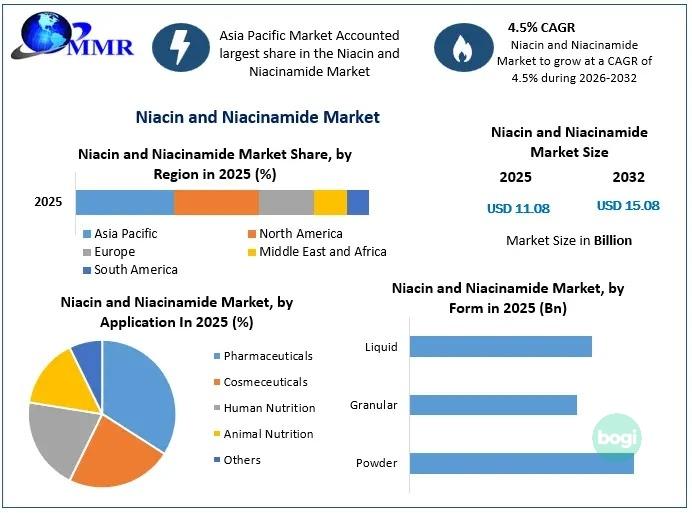
    The Global Niacin and Niacinamide Market was valued at USD 11.08 Billion in 2025 and is projected to reach nearly USD 15.08 Billion by 2032, expanding at a CAGR of 4.5% from 2026 to 2032. Niacin and niacinamide are essential forms of vitamin B3 used in pharmaceuticals, dietary supplements, fortified foods, cosmetics and animal nutrition. Increasing consumer awareness of nutritional deficiencies, preventive healthcare and skincare benefits is supporting industry expansion. The Global Niacin and Niacinamide Market benefits from pharmaceutical innovation, rising consumption of functional food products and growing incorporation of niacinamide into dermatological formulations. Manufacturers are investing in high-purity ingredients, advanced production technologies and specialized formulations to address evolving industrial requirements.
    Niacin and Niacinamide Market to Expand at 4.5% CAGR Amid Rising Vitamin B3 Demand Market Overview: Vitamin B3 Demand Accelerating Growth Across Healthcare and Personal Care Industries The Global Niacin and Niacinamide Market was valued at USD 11.08 Billion in 2025 and is projected to reach nearly USD 15.08 Billion by 2032, expanding at a CAGR of 4.5% from 2026 to 2032. Niacin and niacinamide are essential forms of vitamin B3 used in pharmaceuticals, dietary supplements, fortified foods, cosmetics and animal nutrition. Increasing consumer awareness of nutritional deficiencies, preventive healthcare and skincare benefits is supporting industry expansion. The Global Niacin and Niacinamide Market benefits from pharmaceutical innovation, rising consumption of functional food products and growing incorporation of niacinamide into dermatological formulations. Manufacturers are investing in high-purity ingredients, advanced production technologies and specialized formulations to address evolving industrial requirements.
    0 Comentários 0 Compartilhamentos 736 Visualizações
  • Global Veterinary Reference Laboratory Market Revenue Forecast to Reach USD 8.55 Billion by 2032
    Market Overview: Advanced Animal Diagnostics Strengthening Global Veterinary Healthcare
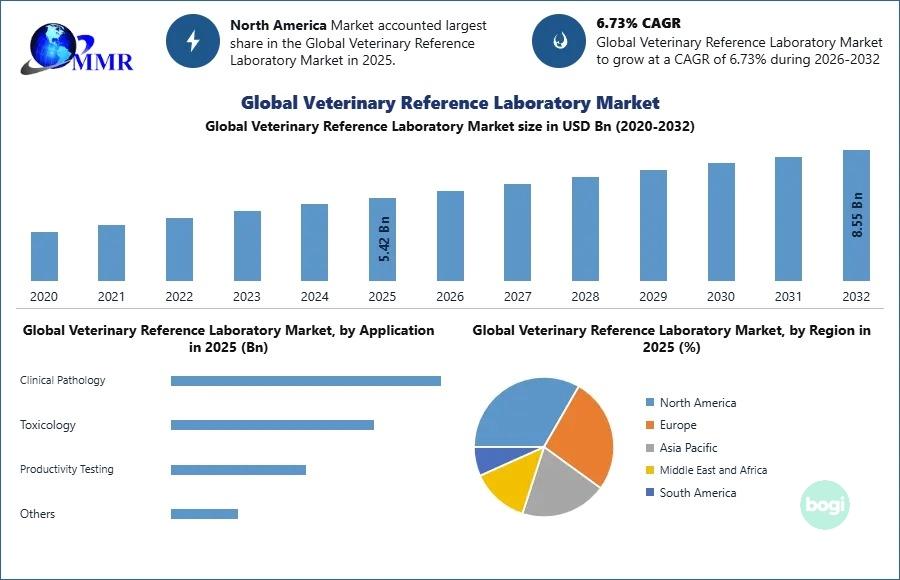
    The Veterinary Reference Laboratory Market was valued at USD 5.42 Billion in 2025 and is projected to reach nearly USD 8.55 Billion by 2032, expanding at a CAGR of 6.73% from 2026 to 2032. Veterinary reference laboratories provide specialized diagnostic services, including clinical pathology, microbiology, immunodiagnostics and molecular testing, supporting accurate disease identification and animal health management. Increasing pet ownership, growing veterinary healthcare expenditure and rising awareness of zoonotic diseases are strengthening industry demand. The Veterinary Reference Laboratory Market benefits from advancements in diagnostic technologies, preventive animal healthcare and expanding laboratory networks. Growing emphasis on livestock disease surveillance and food safety further increases the importance of specialized veterinary testing services.
    Global Veterinary Reference Laboratory Market Revenue Forecast to Reach USD 8.55 Billion by 2032 Market Overview: Advanced Animal Diagnostics Strengthening Global Veterinary Healthcare The Veterinary Reference Laboratory Market was valued at USD 5.42 Billion in 2025 and is projected to reach nearly USD 8.55 Billion by 2032, expanding at a CAGR of 6.73% from 2026 to 2032. Veterinary reference laboratories provide specialized diagnostic services, including clinical pathology, microbiology, immunodiagnostics and molecular testing, supporting accurate disease identification and animal health management. Increasing pet ownership, growing veterinary healthcare expenditure and rising awareness of zoonotic diseases are strengthening industry demand. The Veterinary Reference Laboratory Market benefits from advancements in diagnostic technologies, preventive animal healthcare and expanding laboratory networks. Growing emphasis on livestock disease surveillance and food safety further increases the importance of specialized veterinary testing services.
    0 Comentários 0 Compartilhamentos 607 Visualizações
  • That same planning instinct is useful outside Pharloom, especially when I’m hunting for game deals or gear. I tend to check a few comparison sites before buying anything, and DealNest is one I keep bookmarked—you can compare prices here(https://dealnesthq.com/ ) without bouncing between a dozen tabs.
    If you’re the type of player who plans a route before jumping in, you’ll probably appreciate that same approach when shopping for game-related extras. I’ve started using DealNest as a quick checkpoint before committing to a purchase, and it fits neatly into the same careful, research-first mindset.
    That same planning instinct is useful outside Pharloom, especially when I’m hunting for game deals or gear. I tend to check a few comparison sites before buying anything, and DealNest is one I keep bookmarked—you can compare prices here(https://dealnesthq.com/ ) without bouncing between a dozen tabs. If you’re the type of player who plans a route before jumping in, you’ll probably appreciate that same approach when shopping for game-related extras. I’ve started using DealNest as a quick checkpoint before committing to a purchase, and it fits neatly into the same careful, research-first mindset.
    0 Comentários 0 Compartilhamentos 498 Visualizações
  • ECG Cable and ECG Lead Wires Market Growth Outlook 2032: Cardiac Diagnostics Fuel 4.2% CAGR
    Market Overview: Advanced Cardiac Monitoring Technologies Strengthening Healthcare Diagnostics
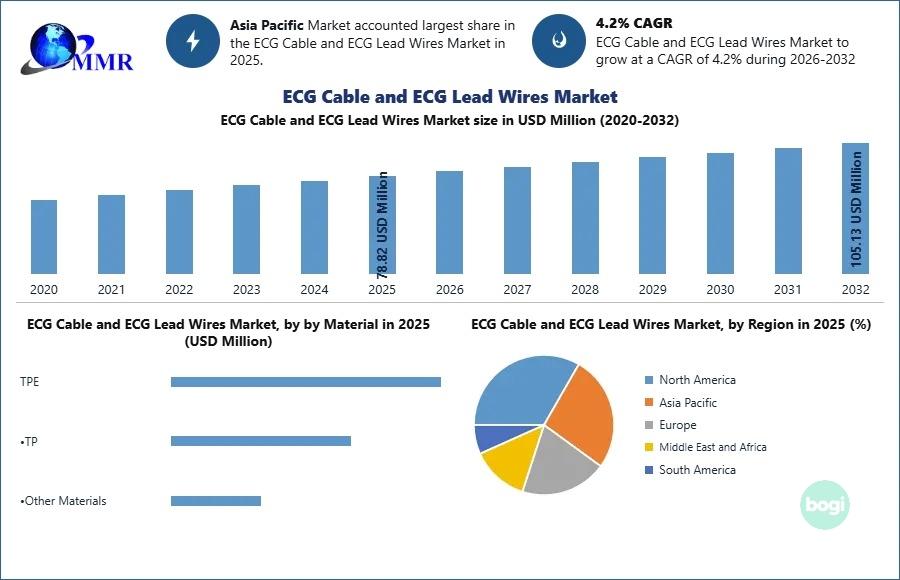
    The ECG Cable and ECG Lead Wires Market was valued at USD 78.82 Million in 2025 and is projected to reach USD 105.13 Million by 2032, expanding at a CAGR of 4.2% during the forecast period. ECG cables and lead wires connect patient electrodes to electrocardiography equipment, enabling accurate transmission of electrical signals generated by the heart. Increasing cardiovascular disease prevalence, aging populations and demand for continuous cardiac monitoring support industry expansion. The ECG Cable and ECG Lead Wires Market benefits from expanding hospital infrastructure, advanced diagnostic equipment and growing adoption of portable electrocardiography systems. Healthcare providers increasingly prioritize reliable connectivity, patient comfort and signal accuracy during routine examinations and critical care monitoring.
    ECG Cable and ECG Lead Wires Market Growth Outlook 2032: Cardiac Diagnostics Fuel 4.2% CAGR Market Overview: Advanced Cardiac Monitoring Technologies Strengthening Healthcare Diagnostics The ECG Cable and ECG Lead Wires Market was valued at USD 78.82 Million in 2025 and is projected to reach USD 105.13 Million by 2032, expanding at a CAGR of 4.2% during the forecast period. ECG cables and lead wires connect patient electrodes to electrocardiography equipment, enabling accurate transmission of electrical signals generated by the heart. Increasing cardiovascular disease prevalence, aging populations and demand for continuous cardiac monitoring support industry expansion. The ECG Cable and ECG Lead Wires Market benefits from expanding hospital infrastructure, advanced diagnostic equipment and growing adoption of portable electrocardiography systems. Healthcare providers increasingly prioritize reliable connectivity, patient comfort and signal accuracy during routine examinations and critical care monitoring.
    0 Comentários 0 Compartilhamentos 704 Visualizações
  • Pharmaceutical Logistics Market Growth Driven by Cold-Chain Expansion at 7.7% CAGR
    Market Overview: Expanding Global Drug Distribution and Temperature-Controlled Healthcare Supply Chains
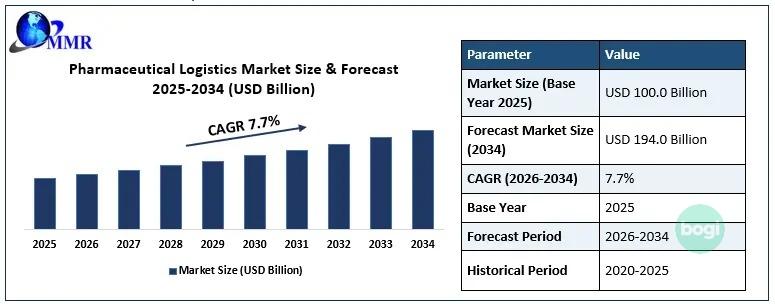
    The Pharmaceutical Logistics Market was valued at USD 100.0 Billion in 2025 and is projected to reach USD 194.0 Billion by 2034, expanding at a CAGR of 7.7% from 2026 to 2034. Pharmaceutical logistics includes specialized transportation, warehousing, storage, inventory management and distribution services required to maintain medicine quality throughout healthcare supply chains. Increasing pharmaceutical production, international drug trade and demand for temperature-sensitive therapies are strengthening industry expansion. The Pharmaceutical Logistics Market benefits from growing consumption of biologics, vaccines, specialty medicines and conventional pharmaceuticals.
    Pharmaceutical Logistics Market Growth Driven by Cold-Chain Expansion at 7.7% CAGR Market Overview: Expanding Global Drug Distribution and Temperature-Controlled Healthcare Supply Chains The Pharmaceutical Logistics Market was valued at USD 100.0 Billion in 2025 and is projected to reach USD 194.0 Billion by 2034, expanding at a CAGR of 7.7% from 2026 to 2034. Pharmaceutical logistics includes specialized transportation, warehousing, storage, inventory management and distribution services required to maintain medicine quality throughout healthcare supply chains. Increasing pharmaceutical production, international drug trade and demand for temperature-sensitive therapies are strengthening industry expansion. The Pharmaceutical Logistics Market benefits from growing consumption of biologics, vaccines, specialty medicines and conventional pharmaceuticals.
    0 Comentários 0 Compartilhamentos 563 Visualizações