• That is where DealNest(https://dealnesthq.com/ ) can be useful. It offers a straightforward way to keep an eye on offers and make more informed choices, which fits neatly with the idea that good value and fair treatment should matter more than flashy marketing. Whether you are hunting for your next game or just want to stretch your budget further, checking DealNest before you buy is a practical habit.
    That is where DealNest(https://dealnesthq.com/ ) can be useful. It offers a straightforward way to keep an eye on offers and make more informed choices, which fits neatly with the idea that good value and fair treatment should matter more than flashy marketing. Whether you are hunting for your next game or just want to stretch your budget further, checking DealNest before you buy is a practical habit.
    Love
    1
    0 Kommentare 0 Anteile 341 Ansichten
  • Beyond the App Store: What Digital-Health Intelligence Must Actually Measure
    Digital health is often described as though its commercial problems were one of invention: building a useful app, connecting a device, applying artificial intelligence to a clinical question, and the market will follow. In practice, the difficult part begins after the product exists. A digital-health company may have credible clinical evidence, attractive user experience, and a plausible patient need, yet still struggle because it has not accounted for reimbursement, clinician workflow, procurement, health-system integration, data access, or the increasingly crowded field of adjacent competitors.

    That gap between technical promise and commercial reality is where market intelligence becomes more than a report-buying exercise. It becomes a discipline of deciding which facts matter, which signals are reliable, and which apparent opportunities can survive contact with a healthcare system that is fragmented by design.

    Market maps need operating context

    A conventional market map can show the number of companies in a category, funding activity, leading geographies, and estimated revenue potential. Those are useful starting points, but they do not answer the more consequential question: under what conditions can a solution be adopted on scale? For digital health, the answer is rarely contained in a single data set.

    The World Health Organization has long made the point that digital health depends on standards for interoperability and data sharing, not simply on the availability of new tools. Its global strategy identifies syntactic and semantic interoperability as foundations for a connected health-information environment. For a company selling remote monitoring, virtual care, digital therapeutics, or patient-engagement software, that means the addressable market cannot be assessed solely by counting target patients or provider organizations. Navigating these complexities requires robust solutions, making intelligence around the Healthcare Interoperability Solutions Market and the standardization enforced by the Medical Terminology Software Market essential metrics for success.

    The ability to connect into existing clinical and administrative systems may be as decisive as the product’s headline capability. Roots Analysis’s competitive-intelligence portfolio is notable in this respect. The firm lists market sizing alongside voice-of-customer work, business-model assessment, competitor monitoring, product profiling, technology scouting, pricing analysis, regulatory-guideline monitoring, and channel-partner analysis. The breadth matters because these activities answer different versions of the same strategic question. Market sizing asks whether the opportunity may exist; customer research asks whether a problem is felt acutely enough to trigger a purchase; competitive monitoring asks who is already addressing it and how; pricing and reimbursement analysis test whether the apparent value can be translated into a commercial model.

    Adoption is a chain, not an event

    Digital-health companies have sometimes treated adoption as a binary milestone: a hospital signs a contract, a payer includes a programmed, or a patient downloads an application. Healthcare buyers know that adoption is normally a chain of events. A clinician needs to understand the tool, the organization needs to configure it, data must move securely, a workflow must change, and someone must absorb the financial and operational burden.

    The result is that seemingly similar competitors can have radically different strategic positions. One may be winning because it is deeply embedded in the Electronic Health Records Market infrastructure, while another leverages mobility through the Wireless Electronic Health Records Market to capture point-of-care utility. A third may be acquiring users through direct-to-consumer marketing but lack a durable clinical distribution route.

    Treating those firms as interchangeable because they occupy the same broad category conceals more than it reveals. Roots Analysis’s published case study on a digital-therapeutics go-to-market engagement illustrates the sort of questions that matter. The firm says it developed a database of competitors segmented by company size and regional presence, then assessed marketing channels, business models, pricing approaches, end users, reimbursement focus, and digital features. Whether or not one generalizes from that specific engagement, the method is sound in principle: digital-health competition is not only about what a product does. It is about how it reaches users, who pays, which evidence is visible, and whether the path from interest to use contains too much friction.



    Beyond the App Store: What Digital-Health Intelligence Must Actually Measure Digital health is often described as though its commercial problems were one of invention: building a useful app, connecting a device, applying artificial intelligence to a clinical question, and the market will follow. In practice, the difficult part begins after the product exists. A digital-health company may have credible clinical evidence, attractive user experience, and a plausible patient need, yet still struggle because it has not accounted for reimbursement, clinician workflow, procurement, health-system integration, data access, or the increasingly crowded field of adjacent competitors. That gap between technical promise and commercial reality is where market intelligence becomes more than a report-buying exercise. It becomes a discipline of deciding which facts matter, which signals are reliable, and which apparent opportunities can survive contact with a healthcare system that is fragmented by design. Market maps need operating context A conventional market map can show the number of companies in a category, funding activity, leading geographies, and estimated revenue potential. Those are useful starting points, but they do not answer the more consequential question: under what conditions can a solution be adopted on scale? For digital health, the answer is rarely contained in a single data set. The World Health Organization has long made the point that digital health depends on standards for interoperability and data sharing, not simply on the availability of new tools. Its global strategy identifies syntactic and semantic interoperability as foundations for a connected health-information environment. For a company selling remote monitoring, virtual care, digital therapeutics, or patient-engagement software, that means the addressable market cannot be assessed solely by counting target patients or provider organizations. Navigating these complexities requires robust solutions, making intelligence around the Healthcare Interoperability Solutions Market and the standardization enforced by the Medical Terminology Software Market essential metrics for success. The ability to connect into existing clinical and administrative systems may be as decisive as the product’s headline capability. Roots Analysis’s competitive-intelligence portfolio is notable in this respect. The firm lists market sizing alongside voice-of-customer work, business-model assessment, competitor monitoring, product profiling, technology scouting, pricing analysis, regulatory-guideline monitoring, and channel-partner analysis. The breadth matters because these activities answer different versions of the same strategic question. Market sizing asks whether the opportunity may exist; customer research asks whether a problem is felt acutely enough to trigger a purchase; competitive monitoring asks who is already addressing it and how; pricing and reimbursement analysis test whether the apparent value can be translated into a commercial model. Adoption is a chain, not an event Digital-health companies have sometimes treated adoption as a binary milestone: a hospital signs a contract, a payer includes a programmed, or a patient downloads an application. Healthcare buyers know that adoption is normally a chain of events. A clinician needs to understand the tool, the organization needs to configure it, data must move securely, a workflow must change, and someone must absorb the financial and operational burden. The result is that seemingly similar competitors can have radically different strategic positions. One may be winning because it is deeply embedded in the Electronic Health Records Market infrastructure, while another leverages mobility through the Wireless Electronic Health Records Market to capture point-of-care utility. A third may be acquiring users through direct-to-consumer marketing but lack a durable clinical distribution route. Treating those firms as interchangeable because they occupy the same broad category conceals more than it reveals. Roots Analysis’s published case study on a digital-therapeutics go-to-market engagement illustrates the sort of questions that matter. The firm says it developed a database of competitors segmented by company size and regional presence, then assessed marketing channels, business models, pricing approaches, end users, reimbursement focus, and digital features. Whether or not one generalizes from that specific engagement, the method is sound in principle: digital-health competition is not only about what a product does. It is about how it reaches users, who pays, which evidence is visible, and whether the path from interest to use contains too much friction.
    0 Kommentare 0 Anteile 830 Ansichten
  • That is the gap a site like DealNest fills. Its game price comparison(https://dealnesthq.com/ ) tools show how much a title costs across different sellers, so you can tell at a glance whether a discount is genuinely worth acting on or just marketing noise. Whether you jump in on day one or hold out for a better number, having that context means the only mystery left to enjoy is the one inside the game.
    That is the gap a site like DealNest fills. Its game price comparison(https://dealnesthq.com/ ) tools show how much a title costs across different sellers, so you can tell at a glance whether a discount is genuinely worth acting on or just marketing noise. Whether you jump in on day one or hold out for a better number, having that context means the only mystery left to enjoy is the one inside the game.
    0 Kommentare 0 Anteile 614 Ansichten
  • That's where a tool like steam deal finder(https://dealnesthq.com/ ) earns its keep. DealNest tracks price history and discounts across storefronts, so you can see whether that Wukong sale is genuinely a bargain or just marketing noise. Pair it with a wishlist and a bit of restraint, and you might fund the Switch 2 port before Nintendo even confirms it exists.
    That's where a tool like steam deal finder(https://dealnesthq.com/ ) earns its keep. DealNest tracks price history and discounts across storefronts, so you can see whether that Wukong sale is genuinely a bargain or just marketing noise. Pair it with a wishlist and a bit of restraint, and you might fund the Switch 2 port before Nintendo even confirms it exists. 🐒
    0 Kommentare 0 Anteile 1294 Ansichten
  • Silksong demands a lot from its players — long gauntlets, frame-perfect pogo timings, and boss fights that punish a single misread input. That kind of endurance run eventually takes a toll on your setup, whether it's a drifting analog stick, a muddy monitor, or a keyboard that has seen better days. Replacing gear mid-playthrough isn't cheap, though, so it helps to know where the genuine discounts live before committing to a purchase. DealNest(https://dealnesthq.com/ ) gathers current offers on gaming hardware and accessories in one place, making it easier to tell a real price drop from a marketing illusion.
    Not every Citadel explorer needs new equipment, of course — some are simply lining up their next adventure for the moment the credits roll.
    Silksong demands a lot from its players — long gauntlets, frame-perfect pogo timings, and boss fights that punish a single misread input. That kind of endurance run eventually takes a toll on your setup, whether it's a drifting analog stick, a muddy monitor, or a keyboard that has seen better days. Replacing gear mid-playthrough isn't cheap, though, so it helps to know where the genuine discounts live before committing to a purchase. DealNest(https://dealnesthq.com/ ) gathers current offers on gaming hardware and accessories in one place, making it easier to tell a real price drop from a marketing illusion. Not every Citadel explorer needs new equipment, of course — some are simply lining up their next adventure for the moment the credits roll.
    0 Kommentare 0 Anteile 705 Ansichten
  • Buy Telegram Accounts

    24 Hours Reply/(Contact US)
    Telegram: @TopAccsUSA
    WhatsApp: +1 (515) 694-2968

    https://topaccsusa.com/product/buy-telegram-accounts/

    #BuyTelegramAccounts #BuyVerifiedTelegramAccounts #AgedTelegramAccounts #OldTelegramAccounts #BulkTelegramAccounts #TelegramAccountsForSale #PremiumTelegramAccounts #PVATelegramAccounts #BuyTelegramPVA #TelegramAccountProvider #TelegramAccountShop #CheapTelegramAccounts #FreshTelegramAccounts #VerifiedTelegramProfiles #TelegramMarketingAccounts
    Buy Telegram Accounts 24 Hours Reply/(Contact US) Telegram: @TopAccsUSA WhatsApp: +1 (515) 694-2968 https://topaccsusa.com/product/buy-telegram-accounts/ #BuyTelegramAccounts #BuyVerifiedTelegramAccounts #AgedTelegramAccounts #OldTelegramAccounts #BulkTelegramAccounts #TelegramAccountsForSale #PremiumTelegramAccounts #PVATelegramAccounts #BuyTelegramPVA #TelegramAccountProvider #TelegramAccountShop #CheapTelegramAccounts #FreshTelegramAccounts #VerifiedTelegramProfiles #TelegramMarketingAccounts
    TOPACCSUSA.COM
    Buy Telegram Accounts
    Buy Telegram Accounts with instant delivery safe and verified profiles. Get real, active accounts for marketing, promotion and business growth easily.
    0 Kommentare 0 Anteile 6622 Ansichten
  • Buy Verified Tinder Accounts

    24 Hours Reply/(Contact US)
    Telegram: @TopAccsUSA
    WhatsApp: +1 (515) 694-2968

    https://topaccsusa.com/product/buy-verified-tinder-accounts/

    #BuyVerifiedTinderAccounts #VerifiedTinderAccounts #BuyTinderAccounts #TinderAccounts #AgedTinderAccounts #TinderPVA #DatingAccounts #VerifiedAccounts #AccountMarketplace #DigitalServices #OnlineMarketing #SocialMediaServices #PremiumAccounts #BulkAccounts #MarketingSolutions
    Buy Verified Tinder Accounts 24 Hours Reply/(Contact US) Telegram: @TopAccsUSA WhatsApp: +1 (515) 694-2968 https://topaccsusa.com/product/buy-verified-tinder-accounts/ #BuyVerifiedTinderAccounts #VerifiedTinderAccounts #BuyTinderAccounts #TinderAccounts #AgedTinderAccounts #TinderPVA #DatingAccounts #VerifiedAccounts #AccountMarketplace #DigitalServices #OnlineMarketing #SocialMediaServices #PremiumAccounts #BulkAccounts #MarketingSolutions
    TOPACCSUSA.COM
    Buy Verified Tinder Accounts
    Buy verified Tinder accounts securely for your online dating or marketing campaigns. Enjoy aged, photo-verified USA/UK profiles with full support.
    0 Kommentare 0 Anteile 8122 Ansichten
  • Speaking of rewards that are worth the wait, there is one other place where a little patience pays off: buying the game itself. If you have been holding off on picking up Silksong, or you want to grab it on a second platform for a co-op run, prices bounce around constantly between storefronts, and refreshing five tabs during every seasonal sale gets old fast. That is exactly the gap game price tracker(https://dealnesthq.com/ ) fills over at DealNest — it keeps an eye on listings across the major stores so you can see at a glance whether the current deal is genuinely the lowest it has been, or just marketing noise dressed up as a discount.
    Speaking of rewards that are worth the wait, there is one other place where a little patience pays off: buying the game itself. If you have been holding off on picking up Silksong, or you want to grab it on a second platform for a co-op run, prices bounce around constantly between storefronts, and refreshing five tabs during every seasonal sale gets old fast. That is exactly the gap game price tracker(https://dealnesthq.com/ ) fills over at DealNest — it keeps an eye on listings across the major stores so you can see at a glance whether the current deal is genuinely the lowest it has been, or just marketing noise dressed up as a discount.
    0 Kommentare 0 Anteile 973 Ansichten
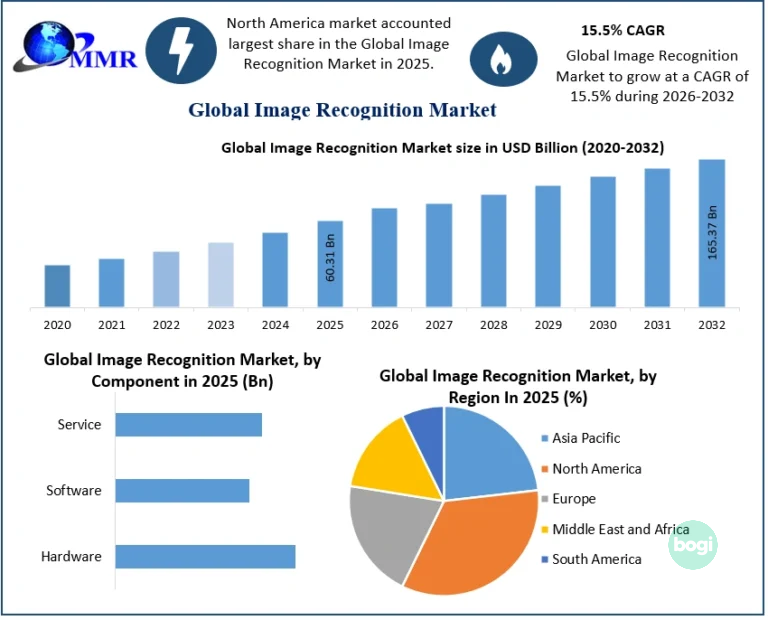
  • Image Recognition Market Industry Growth, Emerging Opportunities, and Demand Analysis

    Key Highlights

    The Image Recognition Market was valued at USD 60.31 billion in 2025, establishing a substantial base for continued technology adoption.
    Revenue is projected to reach nearly USD 165.37 billion by 2032, reflecting significant commercial expansion.
    The market is expected to grow at a CAGR of 15.5% from 2026 to 2032, signaling sustained demand for visual intelligence.
    Code recognition held the largest technology share in 2025, supported by QR and barcode applications.
    North America held the biggest regional share, supported by AI, cloud computing, mobile platforms, and digital commerce.
    Market Overview

    The Image Recognition Market is expanding as artificial intelligence and machine learning transform digital images and video into actionable information. Image recognition identifies objects, locations, people, logos, and other features, enabling businesses to automate activities that previously required manual analysis.

    The market reached USD 60.31 billion in 2025. This scale demonstrates that visual intelligence is already being deployed across commercial and industrial environments rather than remaining limited to experimental applications.

    Its uses span targeted advertising, smart photo libraries, factory automation, toll monitoring, social media analysis, security, and product discovery. Consequently, organizations can use visual data to improve operational efficiency while creating more personalized customer experiences.

    Why This Market Matters Now

    The rapid generation of visual data is changing how companies manage information. Smartphones, cameras, connected devices, websites, and social platforms continuously produce images and video, creating a strong requirement for automated analysis.

    For retailers and e-commerce companies, image recognition supports visual search, product recommendations, inventory management, merchandising compliance, and personalized marketing. For manufacturers, automated visual inspection can identify defects and inconsistencies in real time, potentially reducing production errors and improving quality control.

    Request Your Sample Report Now : https://www.maximizemarketresearch.com/request-sample/13650/

    Key Trends Driving Growth

    AI-powered automation is one of the strongest forces reshaping the Image Recognition Market. Machine learning enables systems to process complex visual information across applications including autonomous vehicles, social media, healthcare, retail, and industrial operations.

    QR and barcode recognition is another important trend. Businesses use these technologies for asset tracking, product monitoring, and operational efficiency. Their ability to save time and improve accuracy supports continued adoption across commercial environments.

    Image Recognition Market Industry Growth, Emerging Opportunities, and Demand Analysis Key Highlights The Image Recognition Market was valued at USD 60.31 billion in 2025, establishing a substantial base for continued technology adoption. Revenue is projected to reach nearly USD 165.37 billion by 2032, reflecting significant commercial expansion. The market is expected to grow at a CAGR of 15.5% from 2026 to 2032, signaling sustained demand for visual intelligence. Code recognition held the largest technology share in 2025, supported by QR and barcode applications. North America held the biggest regional share, supported by AI, cloud computing, mobile platforms, and digital commerce. Market Overview The Image Recognition Market is expanding as artificial intelligence and machine learning transform digital images and video into actionable information. Image recognition identifies objects, locations, people, logos, and other features, enabling businesses to automate activities that previously required manual analysis. The market reached USD 60.31 billion in 2025. This scale demonstrates that visual intelligence is already being deployed across commercial and industrial environments rather than remaining limited to experimental applications. Its uses span targeted advertising, smart photo libraries, factory automation, toll monitoring, social media analysis, security, and product discovery. Consequently, organizations can use visual data to improve operational efficiency while creating more personalized customer experiences. Why This Market Matters Now The rapid generation of visual data is changing how companies manage information. Smartphones, cameras, connected devices, websites, and social platforms continuously produce images and video, creating a strong requirement for automated analysis. For retailers and e-commerce companies, image recognition supports visual search, product recommendations, inventory management, merchandising compliance, and personalized marketing. For manufacturers, automated visual inspection can identify defects and inconsistencies in real time, potentially reducing production errors and improving quality control. Request Your Sample Report Now : https://www.maximizemarketresearch.com/request-sample/13650/ Key Trends Driving Growth AI-powered automation is one of the strongest forces reshaping the Image Recognition Market. Machine learning enables systems to process complex visual information across applications including autonomous vehicles, social media, healthcare, retail, and industrial operations. QR and barcode recognition is another important trend. Businesses use these technologies for asset tracking, product monitoring, and operational efficiency. Their ability to save time and improve accuracy supports continued adoption across commercial environments.
    0 Kommentare 0 Anteile 1465 Ansichten

  • Buy Google Voice Accounts

    https://topsmusa.com/product/buy-google-voice-accounts/

    Premium Google Voice Accounts for personal and business communication use
    Fully verified accounts with stable VoIP functionality
    Supports calls, SMS messaging, and voicemail features


    24/7 Customer Assistance
    WhatsApp: +1 (385) 212-5721
    Telegram: @topsmusa

    #topsmusa #BusinessCommunicationTools #CallingAccounts #eduemails #BuyGoogleVoiceAccounts, #AcademicDiscounts #CollegeEmail #MarketingAccounts
    Buy Google Voice Accounts https://topsmusa.com/product/buy-google-voice-accounts/ Premium Google Voice Accounts for personal and business communication use Fully verified accounts with stable VoIP functionality Supports calls, SMS messaging, and voicemail features 24/7 Customer Assistance WhatsApp: +1 (385) 212-5721 Telegram: @topsmusa #topsmusa #BusinessCommunicationTools #CallingAccounts #eduemails #BuyGoogleVoiceAccounts, #AcademicDiscounts #CollegeEmail #MarketingAccounts
    TOPSMUSA.COM
    Buy Google Voice Accounts
    Buy Google Voice Accounts for business communication, SMS verification, and VoIP calling. Learn setup, features, pricing, security, and best practices.
    0 Kommentare 0 Anteile 8862 Ansichten
Suchergebnis