• Anyone weighing whether to grind through Hallownest first or leap straight into Pharloom usually ends up doing the same thing: refreshing store pages and waiting for a sale. Team Cherry's games are priced fairly, but regional pricing, bundle deals, and seasonal discounts vary enough that it's worth comparing before committing. Rather than hopping between a dozen storefronts and hoping the price you saw last week still holds, it helps to check game prices(https://dealnesthq.com/ ) in one place first — especially if Silksong is going to be sitting in a wishlist for a while anyway.
    There's something fitting about that kind of patience. Waiting for a discount is its own small test of restraint, not unlike resisting the urge to look up a boss strategy after the tenth death.
    Anyone weighing whether to grind through Hallownest first or leap straight into Pharloom usually ends up doing the same thing: refreshing store pages and waiting for a sale. Team Cherry's games are priced fairly, but regional pricing, bundle deals, and seasonal discounts vary enough that it's worth comparing before committing. Rather than hopping between a dozen storefronts and hoping the price you saw last week still holds, it helps to check game prices(https://dealnesthq.com/ ) in one place first — especially if Silksong is going to be sitting in a wishlist for a while anyway. There's something fitting about that kind of patience. Waiting for a discount is its own small test of restraint, not unlike resisting the urge to look up a boss strategy after the tenth death.
    0 Commentaires 0 Parts 264 Vue
  • Acetaldehyde Market Competitive Analysis, Top Companies, and Growth Opportunities Through 2034 Report by MMR

    Acetaldehyde Market to Reach USD 4.03 Billion by 2034, Driven by Chemical Manufacturing and Industrial Demand

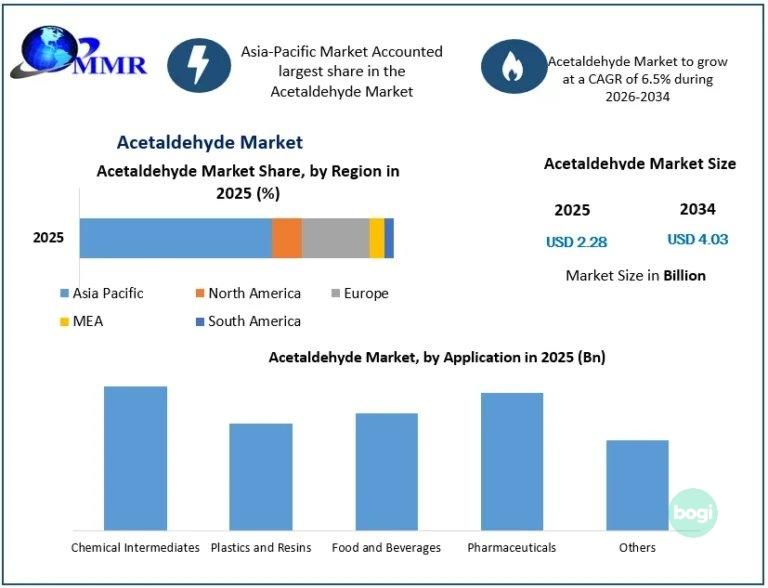
    The Acetaldehyde Market is witnessing steady growth, supported by increasing demand for intermediate chemicals, pharmaceutical ingredients, agrochemicals, and specialty chemical production. According to Maximize Market Research, the market was valued at USD 2.28 billion in 2025 and is projected to reach nearly USD 4.03 billion by 2034, growing at a compound annual growth rate (CAGR) of 6.5% during the forecast period from 2026 to 2034. Expanding industrial applications, technological improvements in chemical processing, and investments in manufacturing infrastructure are expected to create new opportunities for market participants.

    Market Estimation, Growth Drivers, and Opportunities

    The Acetaldehyde Market is benefiting from its importance as a chemical intermediate used in producing acetic acid derivatives, pentaerythritol, pyridine and pyridine derivatives, and other industrial chemicals. These downstream products serve diverse industries, including pharmaceuticals, agriculture, paints and coatings, plastics, adhesives, and specialty chemicals. Growing industrial production and the need for reliable chemical feedstocks are strengthening demand across established and emerging manufacturing economies.

    The market's expansion is also supported by increasing consumption of agrochemicals, pharmaceutical compounds, and performance-oriented materials. Acetaldehyde plays an important role in synthesizing chemicals used in agricultural formulations and industrial manufacturing. As manufacturers seek consistent product quality, operational efficiency, and dependable raw material supplies, investments in production optimization and process control are creating additional opportunities.

    However, fluctuating feedstock prices, stringent environmental regulations, occupational exposure concerns, and the need for safe handling and storage can challenge market development. Manufacturers that improve process efficiency, reduce emissions, strengthen workplace safety, and optimize resource utilization will be better positioned to capture long-term growth. The projected increase from USD 2.28 billion in 2025 to USD 4.03 billion by 2034 highlights the commercial potential of the industry.

    Get a Sample Insight Report Now : https://www.maximizemarketresearch.com/request-sample/6262/

    US Market Trends and Investment Outlook

    The United States remains an important market for acetaldehyde because of its established chemical manufacturing infrastructure, advanced industrial capabilities, and demand for downstream chemical products. In 2025, investment priorities across the American chemical industry continued to emphasize manufacturing efficiency, supply-chain resilience, energy management, and lower-emission production technologies.
    Acetaldehyde Market Competitive Analysis, Top Companies, and Growth Opportunities Through 2034 Report by MMR Acetaldehyde Market to Reach USD 4.03 Billion by 2034, Driven by Chemical Manufacturing and Industrial Demand The Acetaldehyde Market is witnessing steady growth, supported by increasing demand for intermediate chemicals, pharmaceutical ingredients, agrochemicals, and specialty chemical production. According to Maximize Market Research, the market was valued at USD 2.28 billion in 2025 and is projected to reach nearly USD 4.03 billion by 2034, growing at a compound annual growth rate (CAGR) of 6.5% during the forecast period from 2026 to 2034. Expanding industrial applications, technological improvements in chemical processing, and investments in manufacturing infrastructure are expected to create new opportunities for market participants. Market Estimation, Growth Drivers, and Opportunities The Acetaldehyde Market is benefiting from its importance as a chemical intermediate used in producing acetic acid derivatives, pentaerythritol, pyridine and pyridine derivatives, and other industrial chemicals. These downstream products serve diverse industries, including pharmaceuticals, agriculture, paints and coatings, plastics, adhesives, and specialty chemicals. Growing industrial production and the need for reliable chemical feedstocks are strengthening demand across established and emerging manufacturing economies. The market's expansion is also supported by increasing consumption of agrochemicals, pharmaceutical compounds, and performance-oriented materials. Acetaldehyde plays an important role in synthesizing chemicals used in agricultural formulations and industrial manufacturing. As manufacturers seek consistent product quality, operational efficiency, and dependable raw material supplies, investments in production optimization and process control are creating additional opportunities. However, fluctuating feedstock prices, stringent environmental regulations, occupational exposure concerns, and the need for safe handling and storage can challenge market development. Manufacturers that improve process efficiency, reduce emissions, strengthen workplace safety, and optimize resource utilization will be better positioned to capture long-term growth. The projected increase from USD 2.28 billion in 2025 to USD 4.03 billion by 2034 highlights the commercial potential of the industry. Get a Sample Insight Report Now : https://www.maximizemarketresearch.com/request-sample/6262/ US Market Trends and Investment Outlook The United States remains an important market for acetaldehyde because of its established chemical manufacturing infrastructure, advanced industrial capabilities, and demand for downstream chemical products. In 2025, investment priorities across the American chemical industry continued to emphasize manufacturing efficiency, supply-chain resilience, energy management, and lower-emission production technologies.
    0 Commentaires 0 Parts 341 Vue
  • Carbon Fiber Market Top Companies and Innovation Trends

    Carbon Fiber Market to Reach New Heights as Aerospace, Automotive, and Clean Energy Demand Accelerates

    Carbon Fiber Market Overview and Estimation

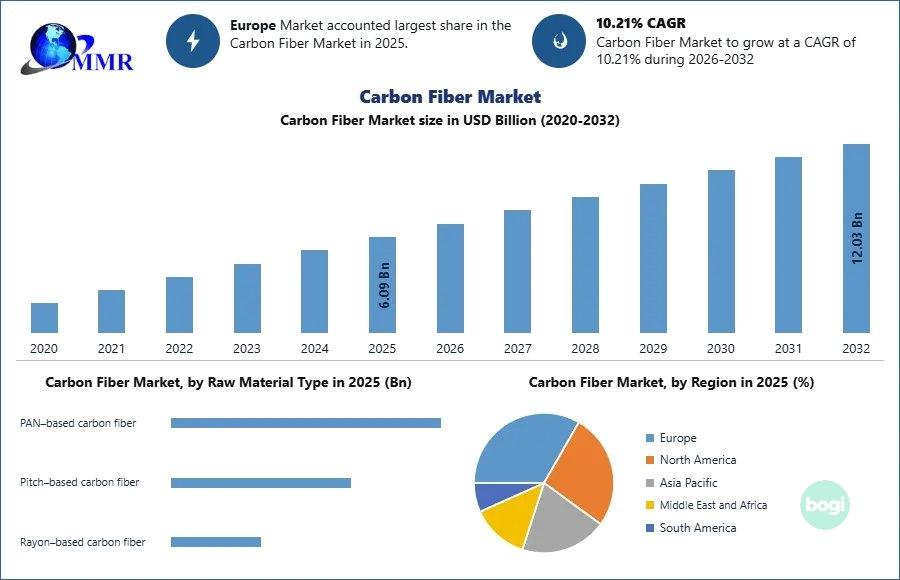
    The Carbon Fiber Market was valued at USD 6.09 billion in 2025 and is projected to grow at a compound annual growth rate (CAGR) of 10.21% over the forecast period. The market is gaining momentum as industries increasingly adopt lightweight, high-strength, and durable materials to improve product performance, reduce energy consumption, and support sustainability goals. Carbon fiber offers an exceptional strength-to-weight ratio, corrosion resistance, stiffness, and fatigue resistance, making it a preferred material for advanced manufacturing applications.

    US Market Trends and Investment Outlook

    The United States remains an important market for carbon fiber because of its established aerospace and defense industry, expanding electric vehicle ecosystem, advanced manufacturing capabilities, and renewable energy investments. During 2025, the domestic market continued to benefit from industrial efforts to strengthen advanced-material supply chains and improve manufacturing competitiveness. Investments in aerospace production, defense modernization, lightweight vehicle components, and composite material research are supporting demand. The growing emphasis on domestic manufacturing capacity also creates opportunities for carbon fiber producers to develop advanced production processes and collaborate with aircraft manufacturers, automotive companies, and energy equipment suppliers. In addition, innovation in thermoplastic composites, automated fiber placement, and recycling technologies is helping address cost and production challenges. Federal clean-energy incentives and manufacturing initiatives can support selected downstream applications, although project economics, policy implementation, and changing trade conditions influence investment decisions.

    Get a Free Sample Market Report Link : https://www.maximizemarketresearch.com/request-sample/105705/
    Carbon Fiber Market Top Companies and Innovation Trends Carbon Fiber Market to Reach New Heights as Aerospace, Automotive, and Clean Energy Demand Accelerates Carbon Fiber Market Overview and Estimation The Carbon Fiber Market was valued at USD 6.09 billion in 2025 and is projected to grow at a compound annual growth rate (CAGR) of 10.21% over the forecast period. The market is gaining momentum as industries increasingly adopt lightweight, high-strength, and durable materials to improve product performance, reduce energy consumption, and support sustainability goals. Carbon fiber offers an exceptional strength-to-weight ratio, corrosion resistance, stiffness, and fatigue resistance, making it a preferred material for advanced manufacturing applications. US Market Trends and Investment Outlook The United States remains an important market for carbon fiber because of its established aerospace and defense industry, expanding electric vehicle ecosystem, advanced manufacturing capabilities, and renewable energy investments. During 2025, the domestic market continued to benefit from industrial efforts to strengthen advanced-material supply chains and improve manufacturing competitiveness. Investments in aerospace production, defense modernization, lightweight vehicle components, and composite material research are supporting demand. The growing emphasis on domestic manufacturing capacity also creates opportunities for carbon fiber producers to develop advanced production processes and collaborate with aircraft manufacturers, automotive companies, and energy equipment suppliers. In addition, innovation in thermoplastic composites, automated fiber placement, and recycling technologies is helping address cost and production challenges. Federal clean-energy incentives and manufacturing initiatives can support selected downstream applications, although project economics, policy implementation, and changing trade conditions influence investment decisions. Get a Free Sample Market Report Link : https://www.maximizemarketresearch.com/request-sample/105705/
    0 Commentaires 0 Parts 403 Vue
  • Grease Market Development Analysis, Key Insights, and Emerging Opportunities

    Grease Market to Reach USD 7.89 Billion by 2034, Driven by Automotive Manufacturing and Industrial Demand

    Global Grease Market Forecast 2026–2034 Highlights Growth Opportunities in High-Performance Lubricants, Automotive Applications, and Sustainable Formulations

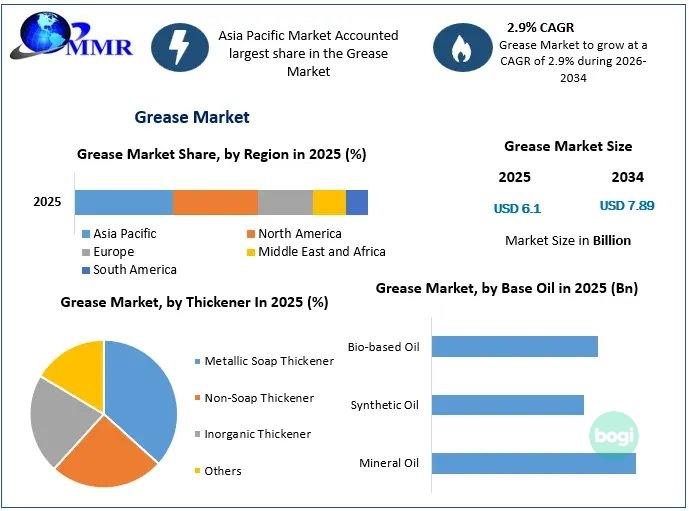
    The Grease Market was valued at USD 6.1 billion in 2025 and is projected to reach nearly USD 7.89 billion by 2034, growing at a compound annual growth rate (CAGR) of 2.9% during the forecast period from 2026 to 2034. According to Maximize Market Research, rising automotive manufacturing, expanding shipbuilding activities, increasing industrial production, and growing demand for high-performance lubrication solutions are among the major factors supporting market growth. Grease plays a vital role in reducing friction, preventing component wear, protecting machinery against corrosion, and improving equipment reliability across automotive, construction, mining, manufacturing, and power generation industries.

    Market Estimation, Growth Drivers, and Opportunities

    The global grease industry is benefiting from the increasing use of machinery and equipment that require reliable lubrication under demanding operating conditions. Grease formulations combine base oils, thickeners, and performance-enhancing additives to provide lubrication, water resistance, thermal stability, and protection against mechanical wear.

    Receive a Free Sample Copy Instantly : https://www.maximizemarketresearch.com/request-sample/26958/

    US Market Trends and Investment Outlook in 2025

    The United States grease market is benefiting from industrial modernization, automotive manufacturing, equipment maintenance, and investments in advanced lubricant production. In April 2025, specialty chemicals company Kodiak completed its acquisition of Sunocs LLC, adding a grease and silicone manufacturing facility and expanding its reach across automotive, aerospace, steel, energy, and metalworking industries. In another significant development, ExxonMobil announced a major Baytown, Texas, investment decision in August 2025 to reconfigure production toward higher-demand products, including premium lubricant base stocks, with operations planned to start in 2028.
    Grease Market Development Analysis, Key Insights, and Emerging Opportunities Grease Market to Reach USD 7.89 Billion by 2034, Driven by Automotive Manufacturing and Industrial Demand Global Grease Market Forecast 2026–2034 Highlights Growth Opportunities in High-Performance Lubricants, Automotive Applications, and Sustainable Formulations The Grease Market was valued at USD 6.1 billion in 2025 and is projected to reach nearly USD 7.89 billion by 2034, growing at a compound annual growth rate (CAGR) of 2.9% during the forecast period from 2026 to 2034. According to Maximize Market Research, rising automotive manufacturing, expanding shipbuilding activities, increasing industrial production, and growing demand for high-performance lubrication solutions are among the major factors supporting market growth. Grease plays a vital role in reducing friction, preventing component wear, protecting machinery against corrosion, and improving equipment reliability across automotive, construction, mining, manufacturing, and power generation industries. Market Estimation, Growth Drivers, and Opportunities The global grease industry is benefiting from the increasing use of machinery and equipment that require reliable lubrication under demanding operating conditions. Grease formulations combine base oils, thickeners, and performance-enhancing additives to provide lubrication, water resistance, thermal stability, and protection against mechanical wear. Receive a Free Sample Copy Instantly : https://www.maximizemarketresearch.com/request-sample/26958/ US Market Trends and Investment Outlook in 2025 The United States grease market is benefiting from industrial modernization, automotive manufacturing, equipment maintenance, and investments in advanced lubricant production. In April 2025, specialty chemicals company Kodiak completed its acquisition of Sunocs LLC, adding a grease and silicone manufacturing facility and expanding its reach across automotive, aerospace, steel, energy, and metalworking industries. In another significant development, ExxonMobil announced a major Baytown, Texas, investment decision in August 2025 to reconfigure production toward higher-demand products, including premium lubricant base stocks, with operations planned to start in 2028.
    0 Commentaires 0 Parts 498 Vue
  • Electroplating Market Size Forecast and Global Industry Opportunities

    Electroplating Market to Reach USD 21.26 Billion by 2034, Driven by Automotive and Electronics Demand

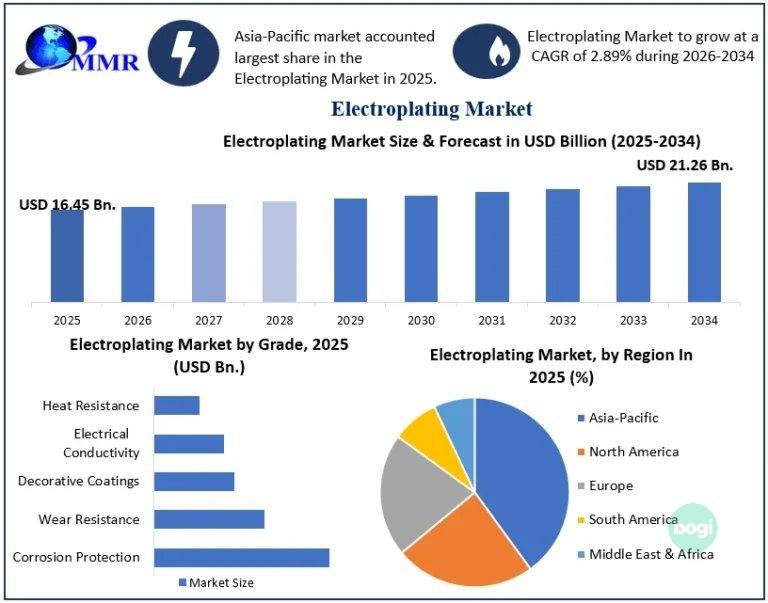
    The Electroplating Market was valued at USD 16.45 billion in 2025 and is projected to reach USD 21.26 billion by 2034, growing at a compound annual growth rate (CAGR) of 2.89% during the forecast period from 2026 to 2034. Increasing demand for corrosion-resistant components, enhanced surface finishes, durable metal coatings, and high-performance electronic components is supporting the market's long-term expansion. Electroplating remains an important industrial process across automotive manufacturing, electrical and electronics, aerospace, machinery, and consumer goods.

    Electroplating Market Estimation, Growth Drivers and Opportunities

    Electroplating involves depositing a thin layer of metal onto a conductive surface through an electrochemical process. The technique improves corrosion resistance, wear protection, electrical conductivity, surface hardness, and appearance. These benefits make it essential for manufacturing components that must meet demanding performance, reliability, and aesthetic requirements.

    The market's growth is primarily driven by rising automotive production, expanding electronics manufacturing, infrastructure development, and increasing demand for precision-engineered components. Automotive manufacturers use electroplated coatings on fasteners, connectors, decorative trims, and other metal parts to improve durability and resistance to environmental exposure. Meanwhile, electronics manufacturers depend on specialized metal coatings to enhance conductivity and the reliability of connectors, terminals, and circuit-related components.

    Significant opportunities are emerging through automation, advanced coating formulations, and environmentally responsible plating technologies. Manufacturers investing in efficient production lines, improved chemical management, wastewater treatment, and reduced-metal-loss processes can strengthen operational performance while addressing environmental requirements. Demand for specialized coatings used in electric vehicles, telecommunications equipment, renewable energy systems, and advanced electronics could further support market development through 2034.

    Get a Sample Insight Report Now : https://www.maximizemarketresearch.com/request-sample/70625/

    Electroplating Market Size Forecast and Global Industry Opportunities Electroplating Market to Reach USD 21.26 Billion by 2034, Driven by Automotive and Electronics Demand The Electroplating Market was valued at USD 16.45 billion in 2025 and is projected to reach USD 21.26 billion by 2034, growing at a compound annual growth rate (CAGR) of 2.89% during the forecast period from 2026 to 2034. Increasing demand for corrosion-resistant components, enhanced surface finishes, durable metal coatings, and high-performance electronic components is supporting the market's long-term expansion. Electroplating remains an important industrial process across automotive manufacturing, electrical and electronics, aerospace, machinery, and consumer goods. Electroplating Market Estimation, Growth Drivers and Opportunities Electroplating involves depositing a thin layer of metal onto a conductive surface through an electrochemical process. The technique improves corrosion resistance, wear protection, electrical conductivity, surface hardness, and appearance. These benefits make it essential for manufacturing components that must meet demanding performance, reliability, and aesthetic requirements. The market's growth is primarily driven by rising automotive production, expanding electronics manufacturing, infrastructure development, and increasing demand for precision-engineered components. Automotive manufacturers use electroplated coatings on fasteners, connectors, decorative trims, and other metal parts to improve durability and resistance to environmental exposure. Meanwhile, electronics manufacturers depend on specialized metal coatings to enhance conductivity and the reliability of connectors, terminals, and circuit-related components. Significant opportunities are emerging through automation, advanced coating formulations, and environmentally responsible plating technologies. Manufacturers investing in efficient production lines, improved chemical management, wastewater treatment, and reduced-metal-loss processes can strengthen operational performance while addressing environmental requirements. Demand for specialized coatings used in electric vehicles, telecommunications equipment, renewable energy systems, and advanced electronics could further support market development through 2034. Get a Sample Insight Report Now : https://www.maximizemarketresearch.com/request-sample/70625/
    0 Commentaires 0 Parts 415 Vue
  • Homewares Market Trends, Consumer Demand, and Industry Development

    Homewares Market to Reach USD 219.96 Billion by 2032, Driven by Lifestyle Upgrades and Sustainable Products

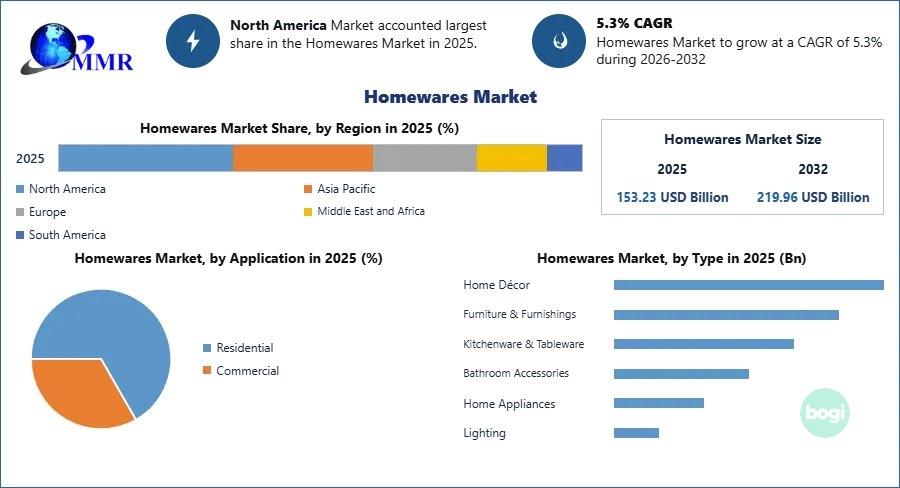
    The Homewares Market is experiencing steady growth as consumers increasingly invest in functional, stylish, and comfortable living spaces. According to Maximize Market Research, the Homewares Market was valued at USD 153.23 billion in 2025 and is expected to grow at a compound annual growth rate (CAGR) of 5.3% from 2026 to 2032, reaching nearly USD 219.96 billion by 2032. Rising urbanization, home renovation activities, expanding e-commerce channels, and growing interest in interior design are supporting demand for homeware products worldwide.

    Market Estimation, Growth Drivers, and Opportunities

    The Homewares Market is benefiting from changing consumer lifestyles, increasing household formation, and greater spending on home improvement. Consumers are purchasing kitchenware, tableware, decorative accessories, storage products, and other household essentials to improve convenience and enhance interior aesthetics. The expansion of residential construction and renovation projects is creating additional demand for products that combine durability, affordability, and contemporary design.

    E-commerce is another important growth driver, allowing consumers to compare products, explore new designs, and purchase homeware from domestic and international brands. Social media platforms and digital interior-design content are also influencing purchasing decisions, particularly among younger consumers and first-time homeowners.

    Sustainability presents a significant opportunity for manufacturers. Products made from recycled materials, responsibly sourced wood, bamboo, glass, and other durable materials are attracting consumers who prioritize environmental considerations. Smart kitchen accessories, multifunctional storage solutions, space-saving furniture accessories, and premium decorative products offer further opportunities for product differentiation. Companies that balance design, functionality, competitive pricing, and responsible manufacturing can strengthen their market position through 2032.

    Request Your Sample Report Now : https://www.maximizemarketresearch.com/request-sample/194684/

    United States Market: Latest Trends and Investment in 2025

    In 2025, the United States homewares sector continued to be influenced by home improvement spending, online retail development, and demand for products that support comfortable and personalized living spaces. Retailers and brands increasingly emphasized digital shopping experiences, product discovery, delivery convenience, and coordinated home collections. Consumer interest in practical organization products, updated kitchenware, decorative accents, and durable everyday essentials supported opportunities across established and emerging product categories. Investment in e-commerce platforms, fulfillment capabilities, product innovation, and private-label collections remained important strategic priorities for retailers seeking to improve customer retention and purchasing convenience. At the same time, businesses faced pressure to manage sourcing costs, inventory, and price-sensitive consumer demand. These conditions encouraged brands to focus on value-oriented offerings, adaptable designs, and materials that combine durability with attractive aesthetics. Together, these trends continued to shape investment priorities and competition in the US homewares industry during 2025.


    Homewares Market Trends, Consumer Demand, and Industry Development Homewares Market to Reach USD 219.96 Billion by 2032, Driven by Lifestyle Upgrades and Sustainable Products The Homewares Market is experiencing steady growth as consumers increasingly invest in functional, stylish, and comfortable living spaces. According to Maximize Market Research, the Homewares Market was valued at USD 153.23 billion in 2025 and is expected to grow at a compound annual growth rate (CAGR) of 5.3% from 2026 to 2032, reaching nearly USD 219.96 billion by 2032. Rising urbanization, home renovation activities, expanding e-commerce channels, and growing interest in interior design are supporting demand for homeware products worldwide. Market Estimation, Growth Drivers, and Opportunities The Homewares Market is benefiting from changing consumer lifestyles, increasing household formation, and greater spending on home improvement. Consumers are purchasing kitchenware, tableware, decorative accessories, storage products, and other household essentials to improve convenience and enhance interior aesthetics. The expansion of residential construction and renovation projects is creating additional demand for products that combine durability, affordability, and contemporary design. E-commerce is another important growth driver, allowing consumers to compare products, explore new designs, and purchase homeware from domestic and international brands. Social media platforms and digital interior-design content are also influencing purchasing decisions, particularly among younger consumers and first-time homeowners. Sustainability presents a significant opportunity for manufacturers. Products made from recycled materials, responsibly sourced wood, bamboo, glass, and other durable materials are attracting consumers who prioritize environmental considerations. Smart kitchen accessories, multifunctional storage solutions, space-saving furniture accessories, and premium decorative products offer further opportunities for product differentiation. Companies that balance design, functionality, competitive pricing, and responsible manufacturing can strengthen their market position through 2032. Request Your Sample Report Now : https://www.maximizemarketresearch.com/request-sample/194684/ United States Market: Latest Trends and Investment in 2025 In 2025, the United States homewares sector continued to be influenced by home improvement spending, online retail development, and demand for products that support comfortable and personalized living spaces. Retailers and brands increasingly emphasized digital shopping experiences, product discovery, delivery convenience, and coordinated home collections. Consumer interest in practical organization products, updated kitchenware, decorative accents, and durable everyday essentials supported opportunities across established and emerging product categories. Investment in e-commerce platforms, fulfillment capabilities, product innovation, and private-label collections remained important strategic priorities for retailers seeking to improve customer retention and purchasing convenience. At the same time, businesses faced pressure to manage sourcing costs, inventory, and price-sensitive consumer demand. These conditions encouraged brands to focus on value-oriented offerings, adaptable designs, and materials that combine durability with attractive aesthetics. Together, these trends continued to shape investment priorities and competition in the US homewares industry during 2025.

    0 Commentaires 0 Parts 801 Vue
  • Fuel Additives Market Competitive Analysis and Revenue Growth Forecast

    Fuel Additives Market to Reach New Heights as Demand for Cleaner and More Efficient Fuels Accelerates

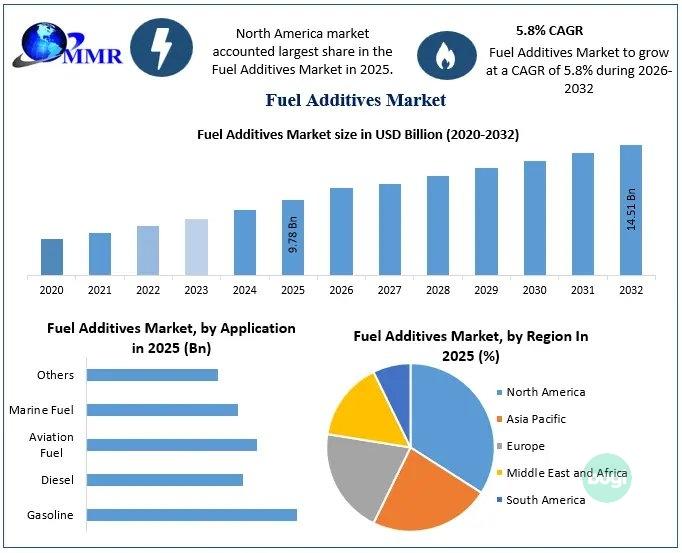
    The Fuel Additives Market is witnessing steady growth as automotive manufacturers, fuel producers, transportation companies, and industrial operators increasingly focus on fuel efficiency, engine performance, emission reduction, and equipment durability. According to Maximize Market Research, the Fuel Additives Market was valued at USD 9.78 billion in 2025 and is projected to grow at a compound annual growth rate (CAGR) of 5.8% over the forecast period. Growing transportation demand, evolving fuel quality standards, technological advancements, and the need to optimize conventional fuel performance are supporting the market's expansion.

    Market Estimation, Growth Drivers, and Opportunities

    The global Fuel Additives Market is benefiting from the increasing need to improve fuel combustion, reduce engine deposits, prevent corrosion, enhance lubrication, and maintain fuel stability. Fuel additives are specialized chemical compounds blended into gasoline, diesel, aviation fuel, and other petroleum-based fuels to improve their performance and handling characteristics.

    Several factors are driving market growth. Rising global vehicle ownership and freight transportation are increasing fuel consumption, while industrial machinery, construction equipment, marine transportation, and aviation continue to require reliable fuel solutions. Fuel additives help engines operate more efficiently, support injector cleanliness, reduce deposit formation, and improve performance under demanding operating conditions.

    Environmental regulations and fuel quality requirements are also creating opportunities for advanced additive formulations. Detergents, antioxidants, cetane improvers, octane boosters, corrosion inhibitors, and cold-flow improvers are increasingly important for meeting specific engine and fuel performance requirements. Growing interest in renewable diesel, biodiesel blends, and sustainable aviation fuels presents additional opportunities for additive developers to improve oxidation stability, compatibility, and low-temperature performance.

    However, fluctuating petrochemical feedstock prices, regulatory complexity, and the gradual transition toward electrification may create challenges. Manufacturers that invest in high-performance formulations, cleaner production methods, and fuel-compatible technologies are well positioned to capitalize on evolving demand.

    Request a Sample of the Full Market Report : https://www.maximizemarketresearch.com/request-sample/32500/

    US Market Trends and Investment Outlook

    The United States remains an important market for fuel additives because of its extensive transportation network, substantial gasoline and diesel consumption, aviation activity, and established refining industry. Developments during 2025 continued to highlight the importance of fuel quality, refinery reliability, and lower-emission transportation solutions. Federal renewable fuel requirements under the Renewable Fuel Standard and continued implementation of vehicle emissions and fuel economy regulations have encouraged industry participants to evaluate compatible fuels and advanced additive technologies.
    Fuel Additives Market Competitive Analysis and Revenue Growth Forecast Fuel Additives Market to Reach New Heights as Demand for Cleaner and More Efficient Fuels Accelerates The Fuel Additives Market is witnessing steady growth as automotive manufacturers, fuel producers, transportation companies, and industrial operators increasingly focus on fuel efficiency, engine performance, emission reduction, and equipment durability. According to Maximize Market Research, the Fuel Additives Market was valued at USD 9.78 billion in 2025 and is projected to grow at a compound annual growth rate (CAGR) of 5.8% over the forecast period. Growing transportation demand, evolving fuel quality standards, technological advancements, and the need to optimize conventional fuel performance are supporting the market's expansion. Market Estimation, Growth Drivers, and Opportunities The global Fuel Additives Market is benefiting from the increasing need to improve fuel combustion, reduce engine deposits, prevent corrosion, enhance lubrication, and maintain fuel stability. Fuel additives are specialized chemical compounds blended into gasoline, diesel, aviation fuel, and other petroleum-based fuels to improve their performance and handling characteristics. Several factors are driving market growth. Rising global vehicle ownership and freight transportation are increasing fuel consumption, while industrial machinery, construction equipment, marine transportation, and aviation continue to require reliable fuel solutions. Fuel additives help engines operate more efficiently, support injector cleanliness, reduce deposit formation, and improve performance under demanding operating conditions. Environmental regulations and fuel quality requirements are also creating opportunities for advanced additive formulations. Detergents, antioxidants, cetane improvers, octane boosters, corrosion inhibitors, and cold-flow improvers are increasingly important for meeting specific engine and fuel performance requirements. Growing interest in renewable diesel, biodiesel blends, and sustainable aviation fuels presents additional opportunities for additive developers to improve oxidation stability, compatibility, and low-temperature performance. However, fluctuating petrochemical feedstock prices, regulatory complexity, and the gradual transition toward electrification may create challenges. Manufacturers that invest in high-performance formulations, cleaner production methods, and fuel-compatible technologies are well positioned to capitalize on evolving demand. Request a Sample of the Full Market Report : https://www.maximizemarketresearch.com/request-sample/32500/ US Market Trends and Investment Outlook The United States remains an important market for fuel additives because of its extensive transportation network, substantial gasoline and diesel consumption, aviation activity, and established refining industry. Developments during 2025 continued to highlight the importance of fuel quality, refinery reliability, and lower-emission transportation solutions. Federal renewable fuel requirements under the Renewable Fuel Standard and continued implementation of vehicle emissions and fuel economy regulations have encouraged industry participants to evaluate compatible fuels and advanced additive technologies.
    0 Commentaires 0 Parts 590 Vue
  • Chlorinated Polyvinyl Chloride Market Size, Industry Share, Growth Drivers, and Future Outlook

    Chlorinated Polyvinyl Chloride Market to Reach USD 7.54 Billion by 2032, Driven by Infrastructure and Water Management Demand

    Market Estimation, Growth Drivers and Opportunities

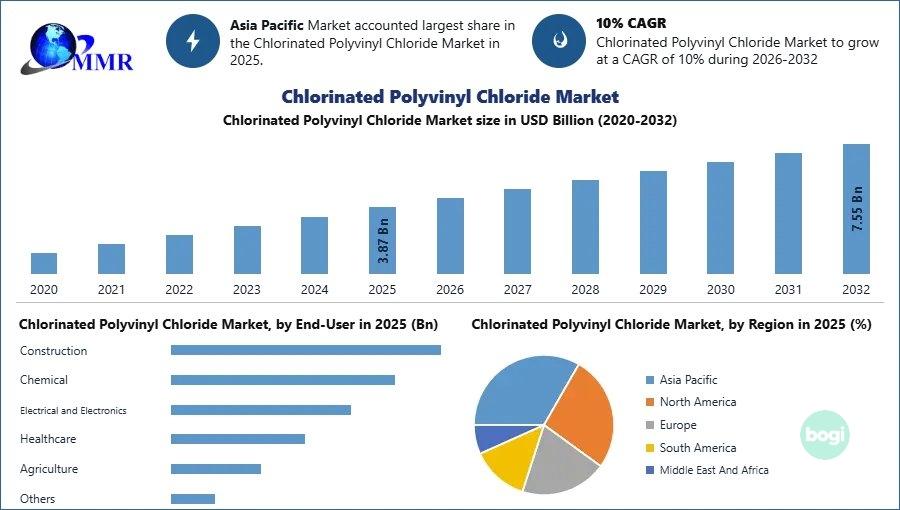
    The Chlorinated Polyvinyl Chloride Market was valued at USD 3.87 billion in 2025 and is projected to grow at a CAGR of 10% from 2025 to 2032, reaching nearly USD 7.54 billion by 2032. CPVC is gaining importance as a high-performance thermoplastic because of its resistance to heat, corrosion and chemicals, making it suitable for demanding plumbing, industrial and fire-protection applications.

    The major growth driver is the increasing adoption of CPVC pipes and fittings in residential, commercial and industrial construction. Compared with conventional metal piping, CPVC offers lightweight installation, corrosion resistance and strong performance in hot- and cold-water distribution. Growing urbanization, new housing construction, infrastructure modernization and replacement of aging water systems are creating sustained opportunities.

    The market is also benefiting from increasing investment in fire-safety infrastructure, water-management systems and industrial processing facilities. CPVC's temperature tolerance and chemical resistance support its use in chemical processing, power, healthcare, agriculture and other specialized applications. The growing emphasis on durable and efficient piping materials is expected to create additional opportunities for manufacturers developing advanced compounds, improved formulations and application-specific CPVC solutions.

    U.S. Market Trends and Investment

    The United States remains a major contributor to the CPVC industry because of its established construction sector, mature plumbing infrastructure and stringent building and fire-safety requirements. In 2025, infrastructure modernization and water-system replacement continued to support demand for advanced piping materials. The U.S. Environmental Protection Agency announced $3 billion in new funding in November 2025 through State Revolving Fund programs to accelerate lead-service-line replacement and reduce exposure to lead in drinking water, reinforcing the broader investment environment for water infrastructure.

    Manufacturing investment is also strengthening domestic supply capabilities. Charlotte Pipe opened an $80 million plastics manufacturing facility in Maize, Kansas, in August 2025, expanding U.S. production capacity for PVC and CPVC-related plumbing products. The facility reflects the industry's broader movement toward localized manufacturing, modern extrusion technology and resilient domestic supply chains..

    Access a Free Sample Report Copy : https://www.maximizemarketresearch.com/request-sample/188499/

    Market Segmentation: Largest Market Share

    By Application, the Pipes and Fittings segment held the largest market share in 2024. CPVC pipes and fittings are extensively used in residential, commercial and industrial plumbing because of their heat resistance, durability and chemical resistance. Their applications include hot- and cold-water distribution, industrial piping and other fluid-management systems.

    By End User, Construction represents a significant market segment, supported by the use of CPVC in residential, commercial and industrial plumbing systems.

    The MMR report segments the market by Grade, Form, Application and End User. Grade includes Injection Grade and Extrusion Grade; Form includes Pellet and Powder; applications include Pipes and Fittings, Fire Sprinkler Systems, Power Cable Casing, Adhesives and Coatings, and Others; while end users include Construction, Chemical, Electrical and Electronics, Healthcare, Agriculture and Others.

    Chlorinated Polyvinyl Chloride Market Size, Industry Share, Growth Drivers, and Future Outlook Chlorinated Polyvinyl Chloride Market to Reach USD 7.54 Billion by 2032, Driven by Infrastructure and Water Management Demand Market Estimation, Growth Drivers and Opportunities The Chlorinated Polyvinyl Chloride Market was valued at USD 3.87 billion in 2025 and is projected to grow at a CAGR of 10% from 2025 to 2032, reaching nearly USD 7.54 billion by 2032. CPVC is gaining importance as a high-performance thermoplastic because of its resistance to heat, corrosion and chemicals, making it suitable for demanding plumbing, industrial and fire-protection applications. The major growth driver is the increasing adoption of CPVC pipes and fittings in residential, commercial and industrial construction. Compared with conventional metal piping, CPVC offers lightweight installation, corrosion resistance and strong performance in hot- and cold-water distribution. Growing urbanization, new housing construction, infrastructure modernization and replacement of aging water systems are creating sustained opportunities. The market is also benefiting from increasing investment in fire-safety infrastructure, water-management systems and industrial processing facilities. CPVC's temperature tolerance and chemical resistance support its use in chemical processing, power, healthcare, agriculture and other specialized applications. The growing emphasis on durable and efficient piping materials is expected to create additional opportunities for manufacturers developing advanced compounds, improved formulations and application-specific CPVC solutions. U.S. Market Trends and Investment The United States remains a major contributor to the CPVC industry because of its established construction sector, mature plumbing infrastructure and stringent building and fire-safety requirements. In 2025, infrastructure modernization and water-system replacement continued to support demand for advanced piping materials. The U.S. Environmental Protection Agency announced $3 billion in new funding in November 2025 through State Revolving Fund programs to accelerate lead-service-line replacement and reduce exposure to lead in drinking water, reinforcing the broader investment environment for water infrastructure. Manufacturing investment is also strengthening domestic supply capabilities. Charlotte Pipe opened an $80 million plastics manufacturing facility in Maize, Kansas, in August 2025, expanding U.S. production capacity for PVC and CPVC-related plumbing products. The facility reflects the industry's broader movement toward localized manufacturing, modern extrusion technology and resilient domestic supply chains.. Access a Free Sample Report Copy : https://www.maximizemarketresearch.com/request-sample/188499/ Market Segmentation: Largest Market Share By Application, the Pipes and Fittings segment held the largest market share in 2024. CPVC pipes and fittings are extensively used in residential, commercial and industrial plumbing because of their heat resistance, durability and chemical resistance. Their applications include hot- and cold-water distribution, industrial piping and other fluid-management systems. By End User, Construction represents a significant market segment, supported by the use of CPVC in residential, commercial and industrial plumbing systems. The MMR report segments the market by Grade, Form, Application and End User. Grade includes Injection Grade and Extrusion Grade; Form includes Pellet and Powder; applications include Pipes and Fittings, Fire Sprinkler Systems, Power Cable Casing, Adhesives and Coatings, and Others; while end users include Construction, Chemical, Electrical and Electronics, Healthcare, Agriculture and Others.
    0 Commentaires 0 Parts 994 Vue
  • Air Pollution Control Systems Market Development Key Insights and Emerging Opportunities

    Air Pollution Control Systems Market to Reach USD 131.36 Billion by 2034, Supported by Industrial Expansion and Stricter Emission Management

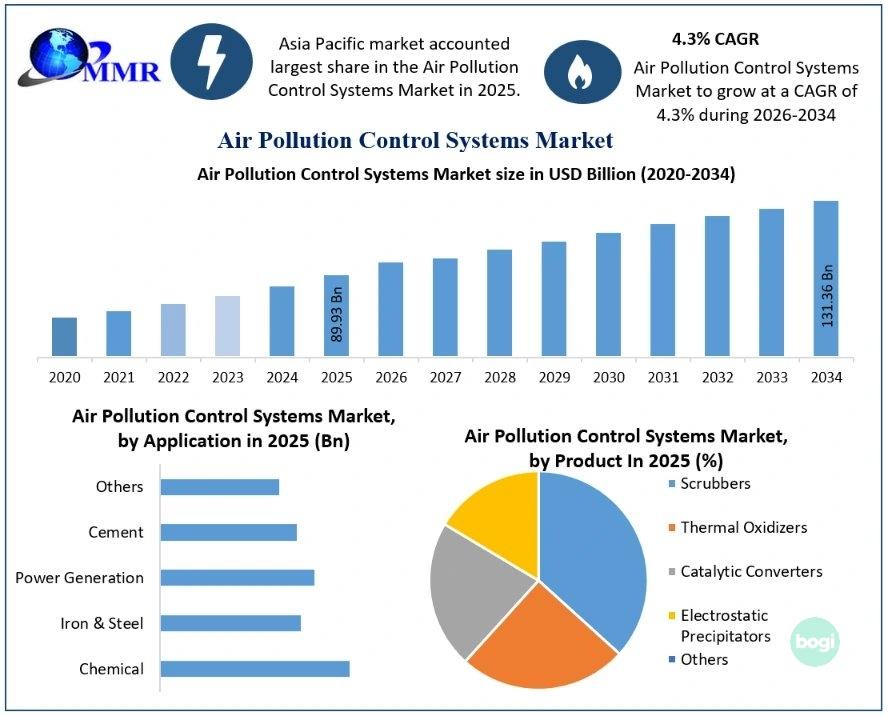
    The Air Pollution Control Systems Market was valued at USD 89.93 billion in 2025 and is projected to reach USD 131.36 billion by 2034, expanding at a CAGR of 4.3% from 2026 to 2034. Rapid industrialization, urban populations, respiratory-health concerns, and demand for cleaner environments are shaping the market. Increasing investment in power generation, chemicals, iron and steel, cement, and other pollution-intensive industries is creating sustained demand for emission-control equipment. Manufacturers are focusing on energy-efficient systems, digital monitoring, advanced filtration, and technologies capable of controlling multiple pollutants. Opportunities are emerging from modernization and retrofit projects, particularly where aging plants must improve environmental performance without replacing entire production assets. Developing-economy industrial expansion and cleaner production requirements are creating opportunities for system suppliers and engineering companies.

    U.S. Market Trends and Investment

    The U.S. market is experiencing a complex transition in 2025 as electricity demand rises alongside changes in federal environmental policy. The U.S. Environmental Protection Agency proposed in June 2025 to repeal federal greenhouse-gas emissions standards for fossil-fuel power plants and amendments to the Mercury and Air Toxics Standards. While the proposals could reduce compliance costs and alter investment timing for some operators, the installed base of pollution-control equipment, state-level requirements, industrial modernization, and demand from data centers continue to support air-quality technologies. U.S. investment is increasingly focused on upgrades, maintenance, monitoring, efficiency improvements, and emissions-control retrofits. Suppliers offering flexible, cost-effective systems can benefit.

    Market Segmentation: Largest Shares

    By product, the Scrubbers segment held the dominant position in the global Air Pollution Control Systems Market in terms of revenue. Scrubbers remove particulate matter and gases using liquid-based treatment and are widely applied for contaminant control. By application, power generation is expected to witness the fastest growth through the forecast period, while iron and steel is the highest-growth application. By region, Asia Pacific held the highest market share and is projected to maintain its leadership, supported by industrial expansion and investment in power generation, chemicals, mining, and heavy industry.

    Access a Free Sample Report Copy : https://www.maximizemarketresearch.com/request-sample/20592/

    Air Pollution Control Systems Market Development Key Insights and Emerging Opportunities Air Pollution Control Systems Market to Reach USD 131.36 Billion by 2034, Supported by Industrial Expansion and Stricter Emission Management The Air Pollution Control Systems Market was valued at USD 89.93 billion in 2025 and is projected to reach USD 131.36 billion by 2034, expanding at a CAGR of 4.3% from 2026 to 2034. Rapid industrialization, urban populations, respiratory-health concerns, and demand for cleaner environments are shaping the market. Increasing investment in power generation, chemicals, iron and steel, cement, and other pollution-intensive industries is creating sustained demand for emission-control equipment. Manufacturers are focusing on energy-efficient systems, digital monitoring, advanced filtration, and technologies capable of controlling multiple pollutants. Opportunities are emerging from modernization and retrofit projects, particularly where aging plants must improve environmental performance without replacing entire production assets. Developing-economy industrial expansion and cleaner production requirements are creating opportunities for system suppliers and engineering companies. U.S. Market Trends and Investment The U.S. market is experiencing a complex transition in 2025 as electricity demand rises alongside changes in federal environmental policy. The U.S. Environmental Protection Agency proposed in June 2025 to repeal federal greenhouse-gas emissions standards for fossil-fuel power plants and amendments to the Mercury and Air Toxics Standards. While the proposals could reduce compliance costs and alter investment timing for some operators, the installed base of pollution-control equipment, state-level requirements, industrial modernization, and demand from data centers continue to support air-quality technologies. U.S. investment is increasingly focused on upgrades, maintenance, monitoring, efficiency improvements, and emissions-control retrofits. Suppliers offering flexible, cost-effective systems can benefit. Market Segmentation: Largest Shares By product, the Scrubbers segment held the dominant position in the global Air Pollution Control Systems Market in terms of revenue. Scrubbers remove particulate matter and gases using liquid-based treatment and are widely applied for contaminant control. By application, power generation is expected to witness the fastest growth through the forecast period, while iron and steel is the highest-growth application. By region, Asia Pacific held the highest market share and is projected to maintain its leadership, supported by industrial expansion and investment in power generation, chemicals, mining, and heavy industry. Access a Free Sample Report Copy : https://www.maximizemarketresearch.com/request-sample/20592/
    0 Commentaires 0 Parts 1175 Vue
  • That is where a comparison tool earns its keep. DealNest pulls listings together in one place so you can weigh options side by side rather than opening a dozen tabs, which matters if you are outfitting a setup before launch or simply hunting for a better deal on a headset or controller. If that sounds like your situation, it is worth taking a minute to compare prices here(https://dealnesthq.com/ ) before committing — the savings tend to add up faster than expected, and they leave a little more room for the pulls that actually matter.
    That is where a comparison tool earns its keep. DealNest pulls listings together in one place so you can weigh options side by side rather than opening a dozen tabs, which matters if you are outfitting a setup before launch or simply hunting for a better deal on a headset or controller. If that sounds like your situation, it is worth taking a minute to compare prices here(https://dealnesthq.com/ ) before committing — the savings tend to add up faster than expected, and they leave a little more room for the pulls that actually matter.
    0 Commentaires 0 Parts 684 Vue
Plus de résultats